


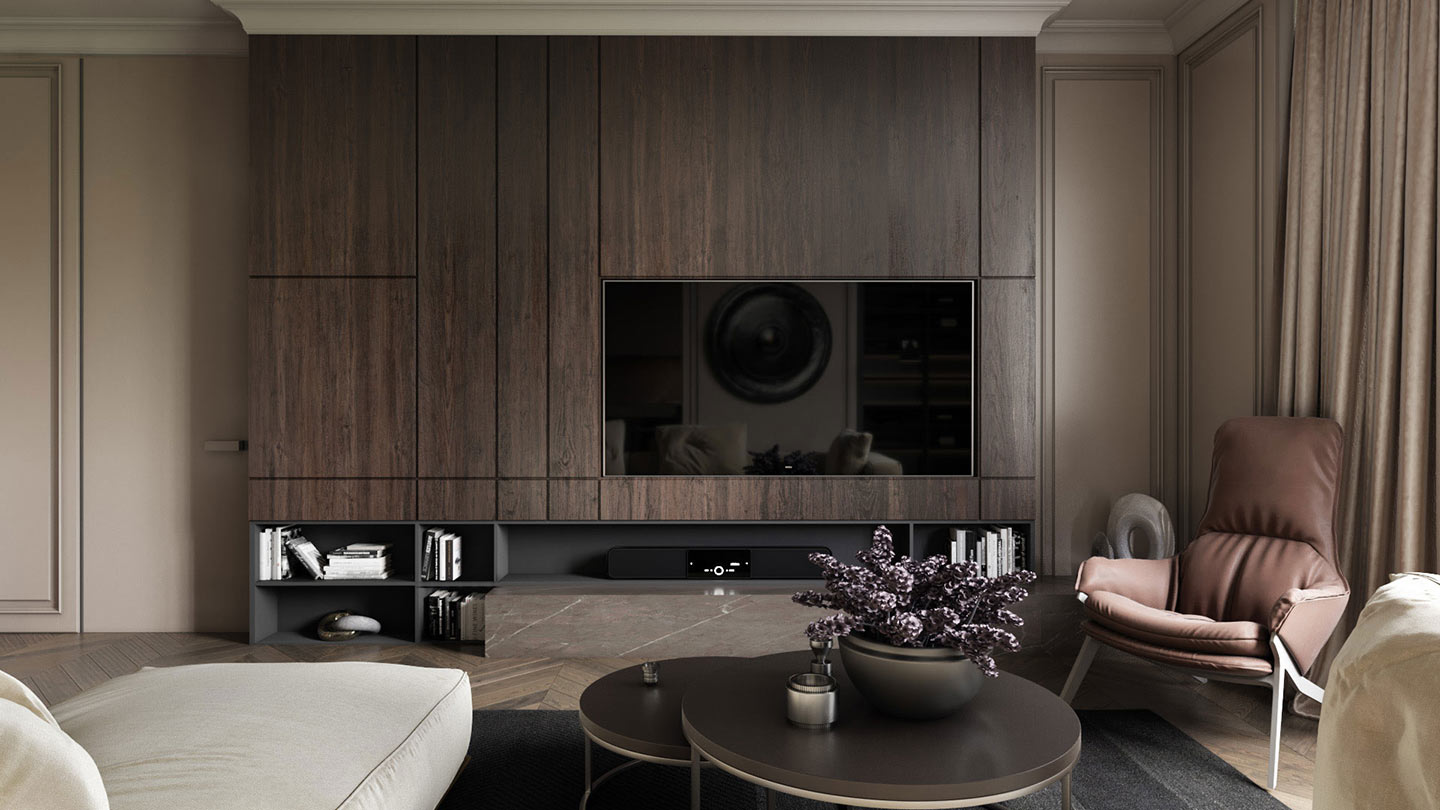
Hiring an interior designer can make a big difference when planning a new home, renovating a room, or improving a commercial space. A skilled designer helps turn ideas into reality while making sure the space is practical, comfortable, and visually appealing. However, achieving the best results requires good cooperation between the client and the designer.
Many people wonder how to work with an interior designer successfully. Some believe that once they hire a designer, they no longer need to be involved in the project. Others try to control every detail, which can create confusion and delays. The truth is that the best interior design projects happen when both sides communicate clearly and work together as a team.
This guide explains how to work with an interior designer from the first consultation to project completion.
Why Hire an Interior Designer?
Before learning how to work with an interior designer, it is important to understand the value they bring to a project.
An interior designer helps with:
- Space planning
- Furniture selection
- Color coordination
- Material recommendations
- Lighting design
- Project management
- Budget planning
Professional designers understand how to create spaces that are both beautiful and functional. They can also help avoid costly mistakes that often occur during home improvement projects.
Understand Your Goals Before Hiring a Designer
The first step in working with an interior designer is understanding what you want to achieve.
Ask yourself questions such as:
- Which rooms need improvement?
- What problems need to be solved?
- What style do you prefer?
- What is your budget?
- What is your project timeline?
Having clear goals allows the designer to create solutions that match your expectations.
For example, a family renovating a living room may focus on comfort and storage, while a business owner may prioritize branding and customer experience.
Choose the Right Interior Designer
Not every designer specializes in the same type of work. Some focus on residential projects, while others specialize in commercial interiors.
When selecting an interior designer, consider:
Experience
Look for designers with experience handling projects similar to yours.
Portfolio
Review previous work to see if their design style matches your preferences.
Communication Skills
Choose someone who listens carefully and explains ideas clearly.
Professional Reputation
Client reviews and referrals can provide valuable insights into reliability and service quality.
Finding the right designer creates a strong foundation for a successful project.
Be Honest About Your Budget
One of the most important aspects of learning how to work with an interior designer is discussing your budget openly.
Many homeowners avoid sharing their actual budget because they fear spending more. However, hiding budget information can lead to unrealistic recommendations and project delays.
A designer can create better solutions when they know:
- Total project budget
- Furniture budget
- Material budget
- Decoration budget
- Emergency reserve funds
Clear budget discussions help everyone stay on the same page from the beginning.
Share Your Design Preferences
Interior designers are skilled at interpreting client preferences, but they still need guidance.
You can help by sharing:
- Inspiration photos
- Design ideas
- Favorite colors
- Preferred furniture styles
- Images of spaces you like
Creating a mood board is often a useful way to communicate visual preferences.
The more information you provide, the easier it becomes for the designer to understand your vision.
Be Open to Professional Advice
Many clients hire a designer because they want expert guidance. After hiring a professional, it is important to remain open to their recommendations.
Interior designers consider factors such as:
- Space functionality
- Lighting conditions
- Traffic flow
- Material durability
- Long-term maintenance
Sometimes a designer may suggest alternatives that differ from your original idea. Their recommendations are often based on practical experience and industry knowledge.
Listening to professional advice can improve the final result.
Establish Clear Communication
Good communication is essential when working with an interior designer.
From the beginning, discuss:
Preferred Communication Methods
Decide whether communication will happen through:
- Phone calls
- Video meetings
- Messaging apps
Project Updates
Determine how often updates will be provided.
Decision-Making Process
Clarify who has final approval authority for purchases and design changes.
Clear communication reduces misunderstandings and keeps projects moving forward smoothly.
Discuss Project Timelines
Every interior design project requires a realistic timeline.
During the planning stage, discuss:
- Design development
- Material sourcing
- Furniture delivery
- Construction work
- Installation schedules
Unexpected delays can occur due to supplier issues, custom orders, or contractor schedules. Understanding these possibilities helps manage expectations.
Patience is often necessary during larger projects.
Review Design Plans Carefully
Once the designer develops a design concept, take time to review all plans carefully.
Pay attention to:
Furniture Layouts
Ensure the arrangement supports daily activities and movement.
Material Selections
Review flooring, fabrics, finishes, and other materials.
Color Schemes
Confirm that the proposed colors match your preferences.
Lighting Plans
Evaluate both natural and artificial lighting solutions.
Ask questions whenever something is unclear. It is easier to make changes during the planning phase than after installation begins.
Trust the Design Process
Many people become impatient once construction or installation starts. However, successful interior design requires time and careful execution.
The process may include:
- Measurements
- Drawings
- Product sourcing
- Material ordering
- Construction work
- Furniture installation
- Final styling
Trusting the process allows the designer to focus on delivering quality results.
Constant changes during implementation can increase costs and extend timelines.
Avoid Frequent Design Changes
One common mistake clients make is changing major decisions after work has started.
For example:
- Changing wall colors
- Replacing furniture selections
- Altering layouts
- Switching materials
While some changes are unavoidable, excessive revisions can lead to:
- Higher costs
- Delays
- Ordering issues
- Project frustration
Making thoughtful decisions early helps prevent unnecessary complications.
Understand Material and Furniture Recommendations
Interior designers often recommend specific products based on quality, durability, and functionality.
Instead of focusing only on price, consider factors such as:
Durability
Higher-quality materials often last longer.
Maintenance
Some materials require more cleaning and upkeep than others.
Performance
Furniture and finishes should support daily use.
Long-Term Value
Investing in quality products may reduce future replacement costs.
Understanding the reasoning behind recommendations helps build trust and confidence.
Stay Involved Throughout the Project
Although designers handle many responsibilities, clients should remain involved.
Regular involvement allows you to:
- Monitor progress
- Approve important decisions
- Address concerns quickly
- Ensure goals remain aligned
However, involvement should support the process rather than interfere with it.
A balanced approach often works best.
Prepare for Unexpected Challenges
Even well-planned projects can face obstacles.
Common challenges include:
- Product shortages
- Delivery delays
- Construction issues
- Budget adjustments
- Material availability changes
Flexibility helps keep the project moving forward despite unexpected situations.
Experienced interior designers are usually prepared with alternative solutions when problems arise.
Respect Professional Expertise
Interior design combines creativity, technical knowledge, and project management skills.
Designers spend years developing expertise in:
- Space planning
- Color theory
- Furniture design
- Building materials
- Construction coordination
Respecting their expertise creates a more positive working relationship and often leads to better outcomes.
Evaluate the Final Results
As the project nears completion, review the finished space carefully.
Consider:
- Functionality
- Comfort
- Appearance
- Quality of workmanship
- Overall satisfaction
Walk through the space with the designer and discuss any remaining adjustments.
A final review ensures every detail meets expectations before project completion.
Benefits of Working Successfully With an Interior Designer
When clients and designers collaborate effectively, the results are often impressive.
Benefits include:
- Better space utilization
- Professional design solutions
- Reduced stress
- Improved project efficiency
- Enhanced property value
- Higher satisfaction with the final result
Strong collaboration allows both parties to contribute their strengths throughout the project.
Conclusion
Learning how to work with an interior designer is one of the most important steps toward achieving a successful design project. Clear communication, realistic budgeting, shared goals, and mutual respect create a productive partnership that benefits everyone involved.
Whether you are renovating a single room or designing an entire property, working closely with an interior designer can help transform ideas into a functional and attractive space. By staying involved, communicating openly, and trusting professional expertise, you can enjoy a smoother design experience and achieve results that meet both your practical needs and aesthetic goals.