

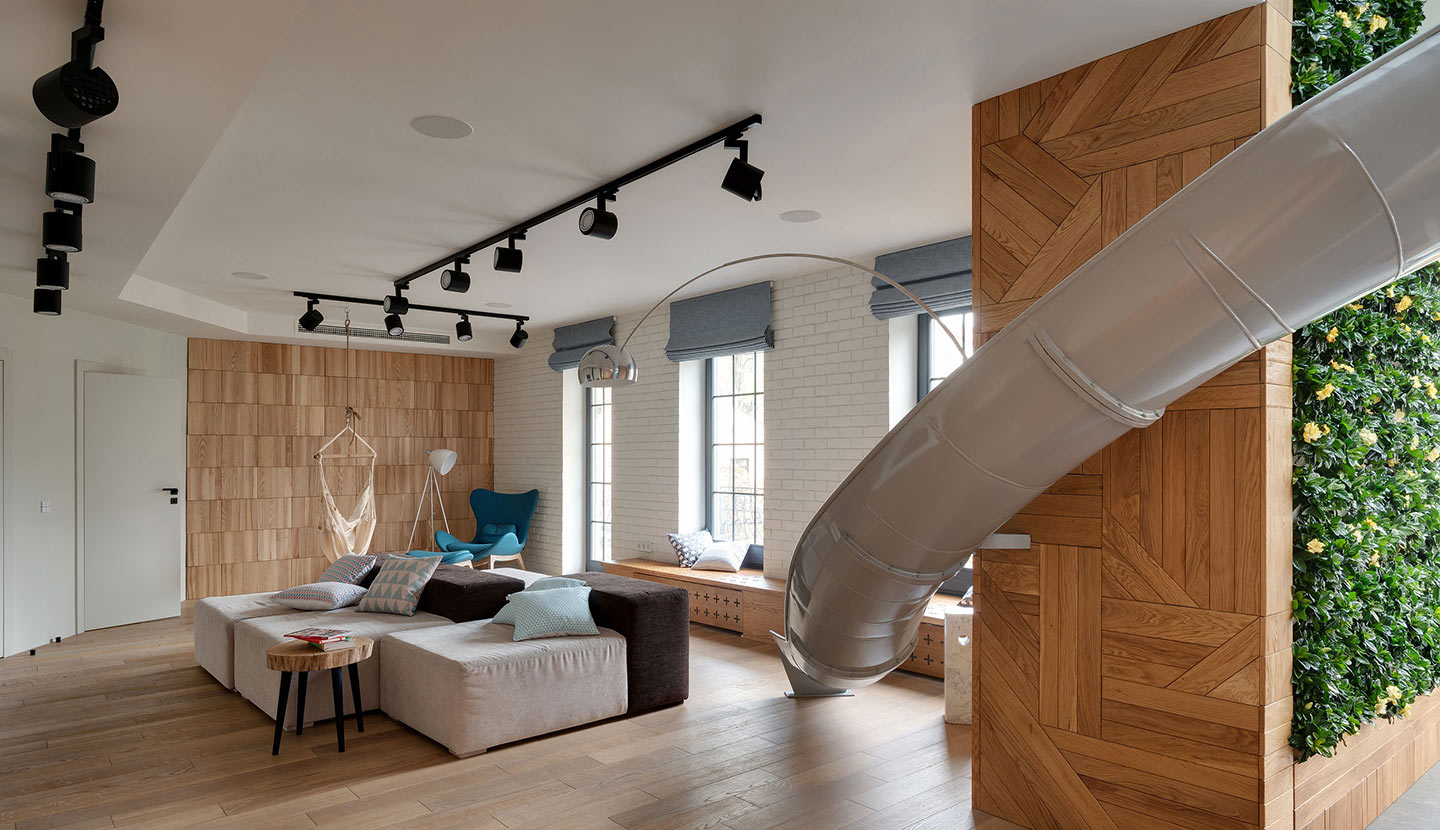
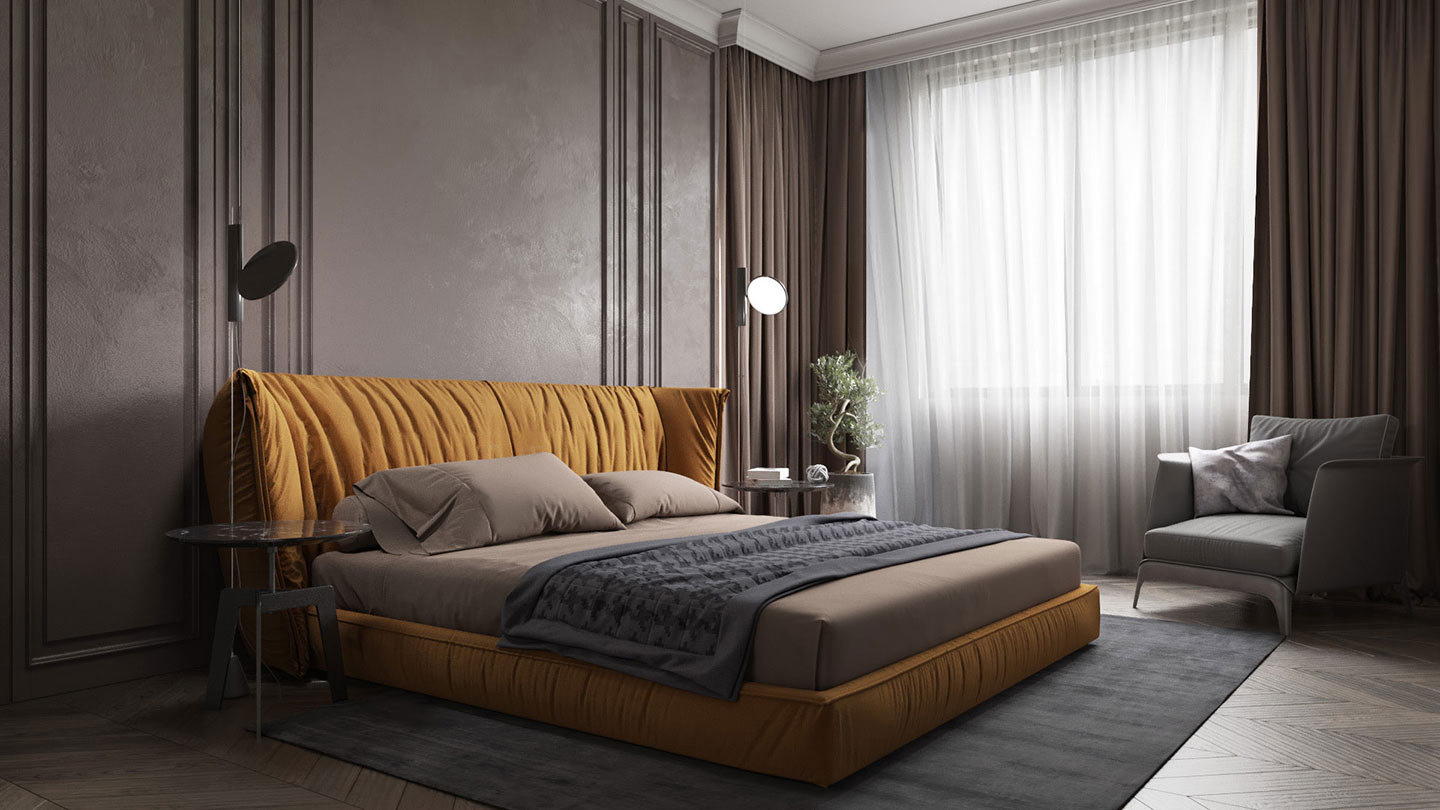
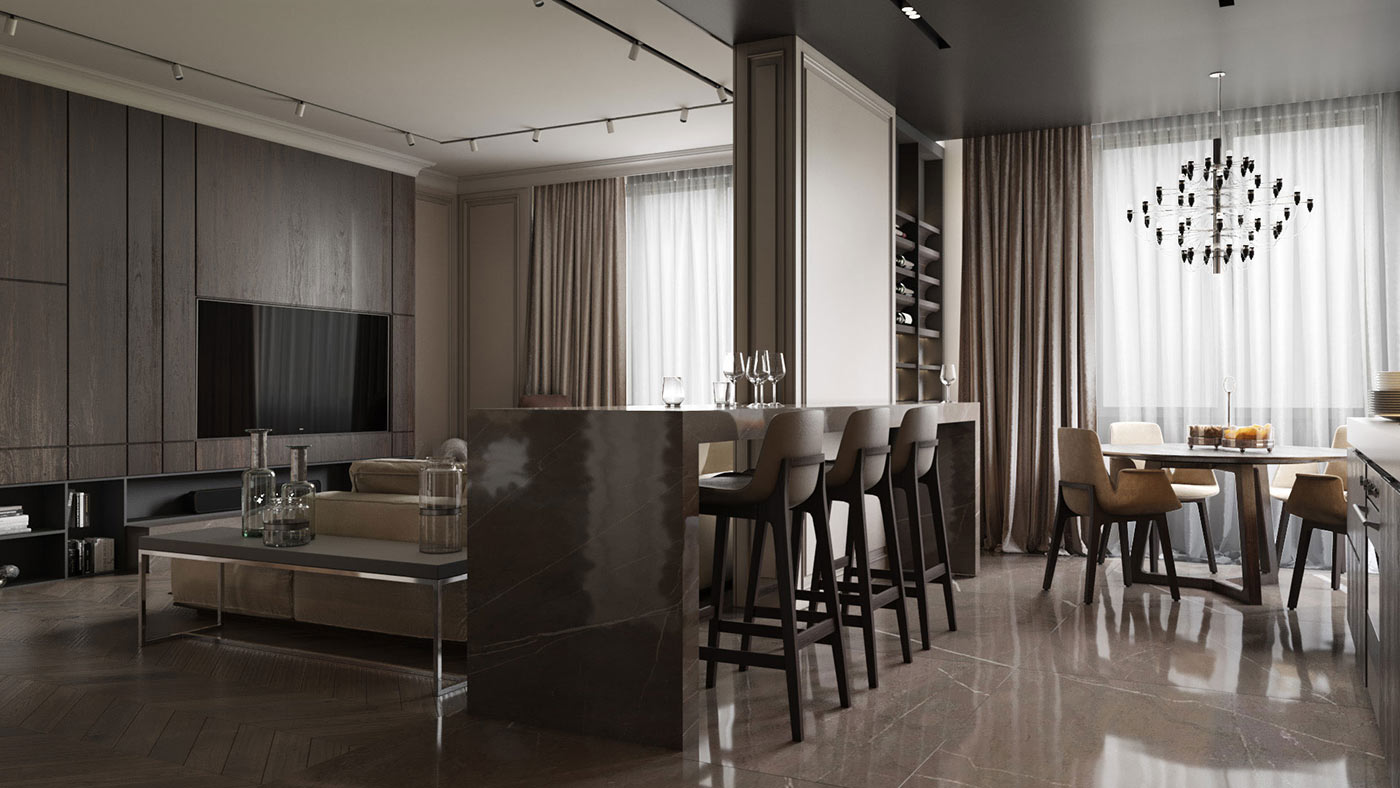
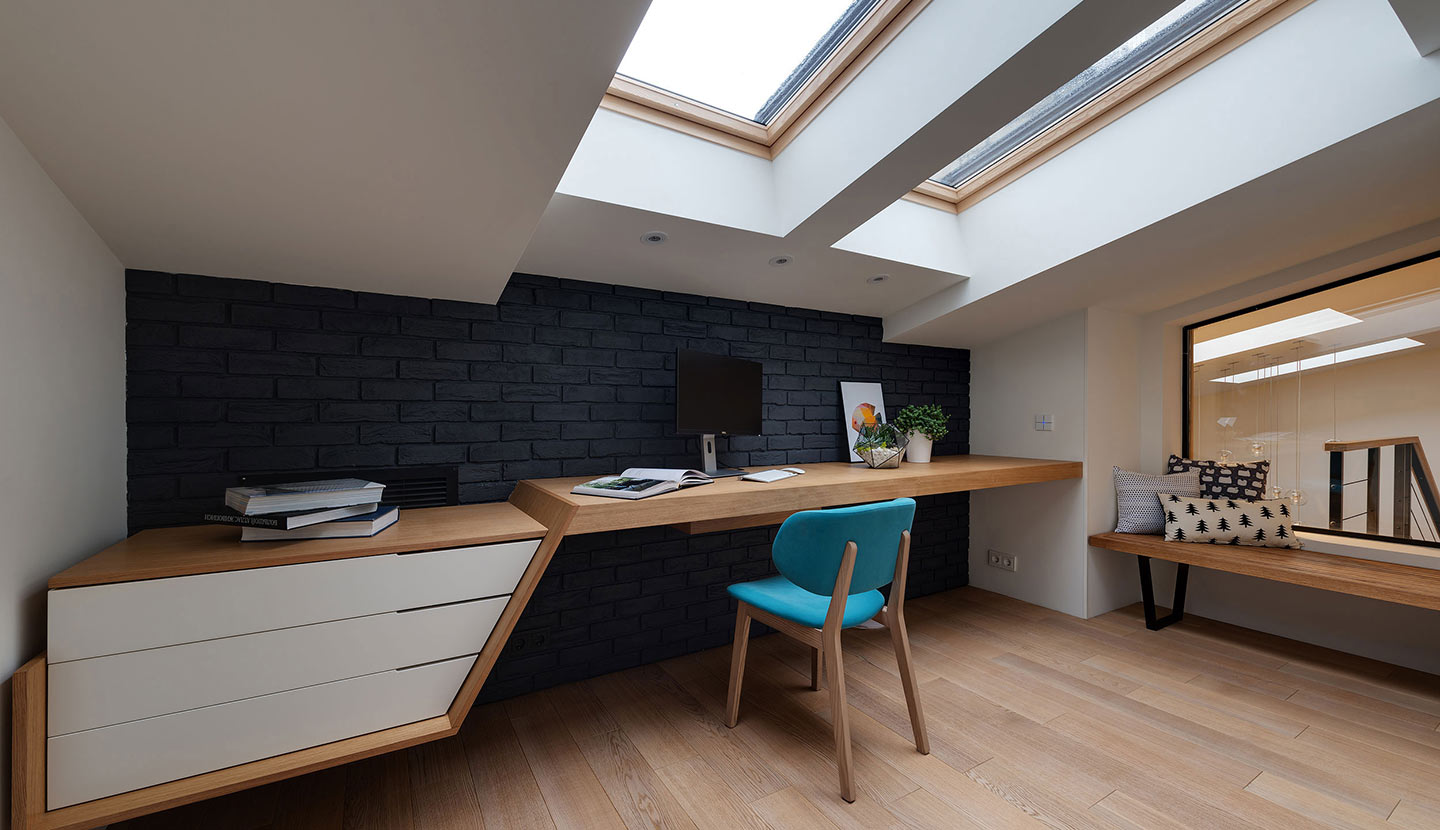
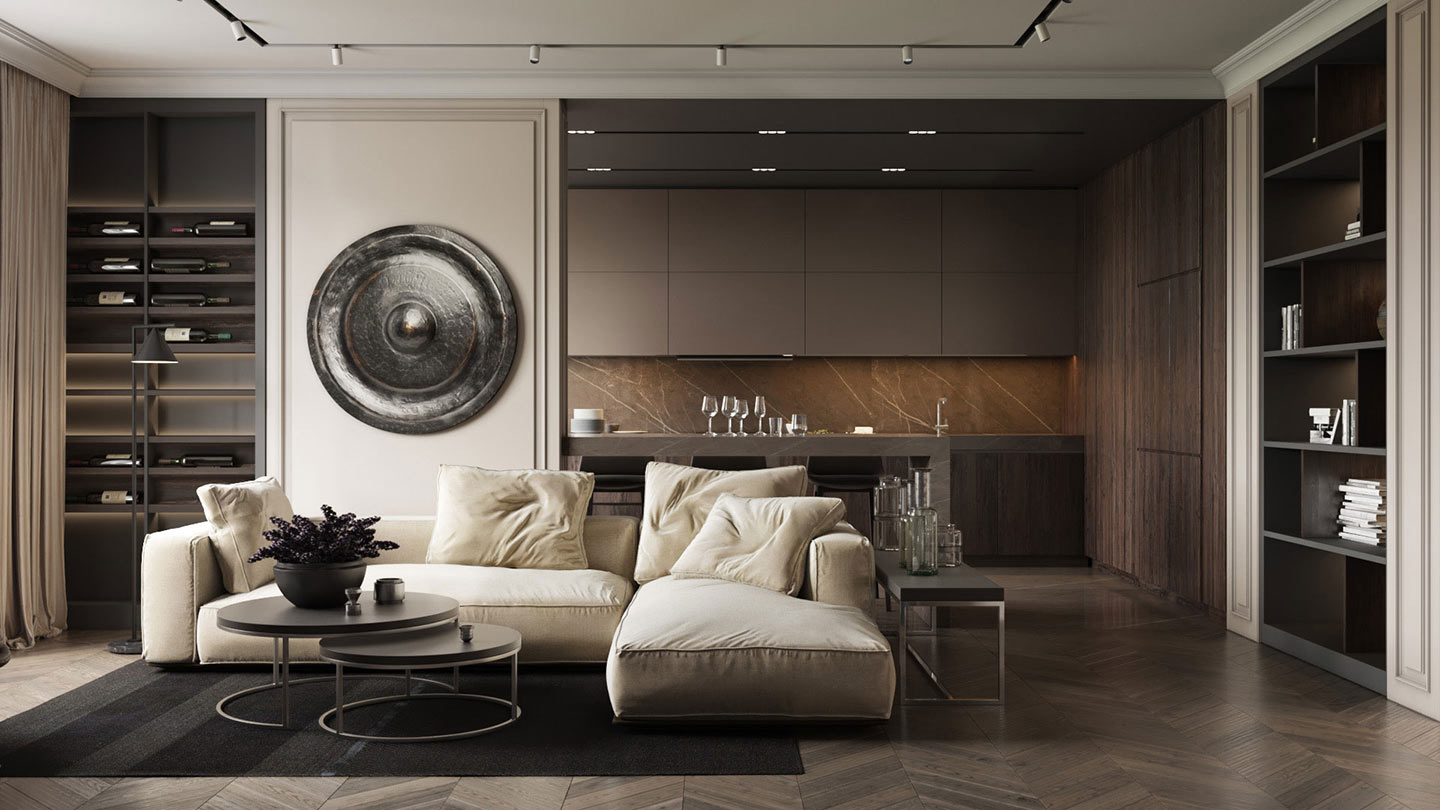
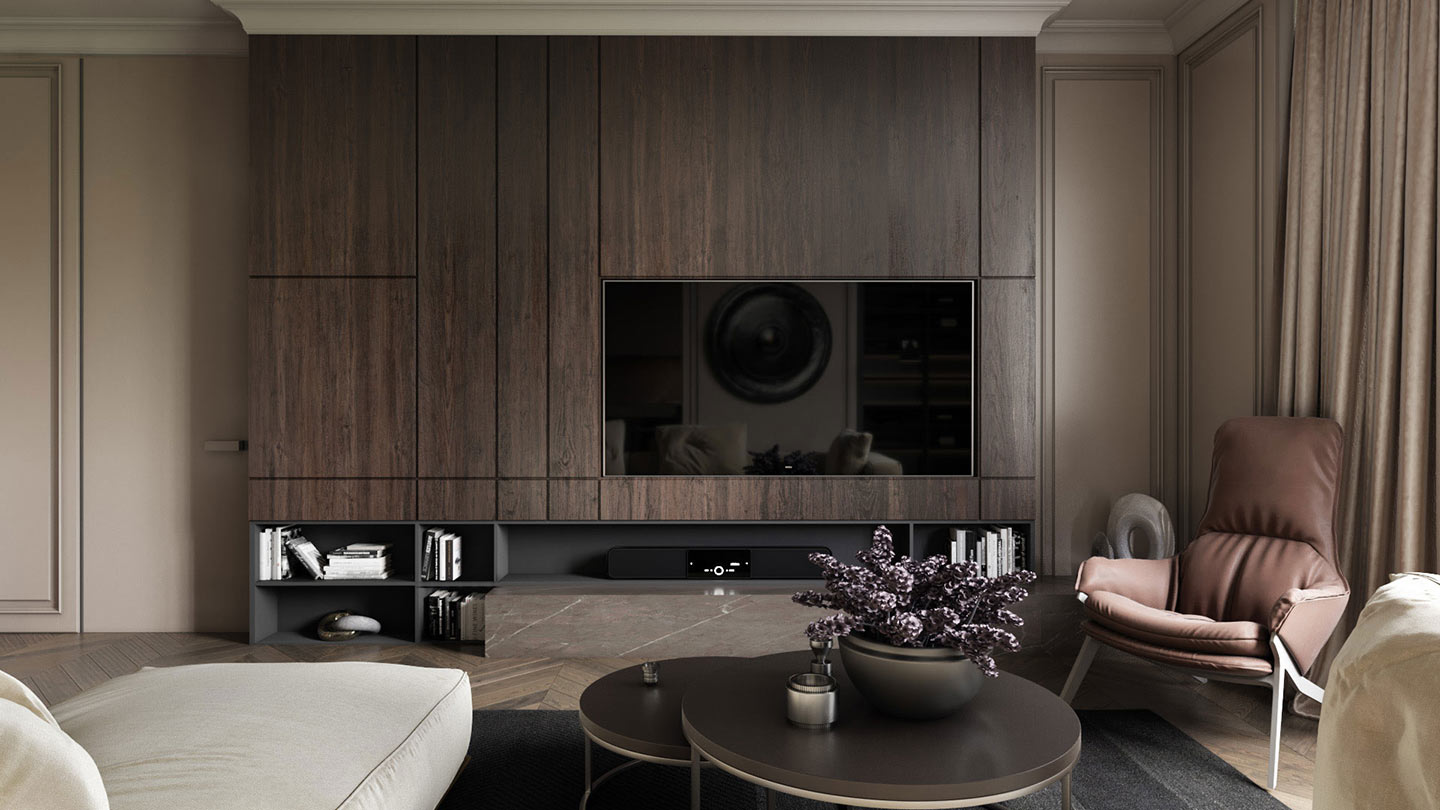
Interior design is the art of making indoor spaces look beautiful, comfortable, and functional. Many people think interior design is only about choosing furniture or painting walls. In reality, it involves planning layouts, selecting colors, arranging furniture, improving lighting, and creating a space that matches a person’s needs and lifestyle.
If you are wondering how to do interior design, this guide will walk you through the entire process. Whether you want to improve your home, office, apartment, or commercial property, understanding the basics of interior design can help you create a space that feels welcoming and practical.
What Is Interior Design?
Interior design is the process of improving the appearance and functionality of indoor spaces. It combines creativity, planning, and technical knowledge to make rooms attractive and comfortable.
A well-designed interior should:
- Make good use of available space
- Improve comfort and functionality
- Reflect personal style
- Create a pleasant atmosphere
- Increase property value
Interior design can be applied to homes, offices, restaurants, hotels, retail stores, and many other types of properties.
Why Interior Design Is Important
Good interior design affects how people feel and interact with a space. A poorly designed room can feel crowded, uncomfortable, and difficult to use. On the other hand, a thoughtfully designed space can improve comfort, productivity, and overall satisfaction.
Some key benefits of interior design include:
Better Space Utilization
Interior design helps maximize every square foot of available space. This is especially important in smaller homes and apartments.
Improved Comfort
The right furniture, lighting, and layout make daily activities easier and more enjoyable.
Enhanced Visual Appeal
A beautiful interior creates a positive impression on guests, customers, and visitors.
Increased Property Value
Professionally designed interiors often make properties more attractive to potential buyers and tenants.
How to Do Interior Design Step by Step
Understanding the process makes interior design easier. Follow these essential steps to achieve successful results.
Define Your Goals
Before making any design decisions, identify the purpose of the space.
Ask yourself:
- How will the room be used?
- Who will use the space?
- What activities will take place there?
- What style do you prefer?
Knowing your goals helps guide every design decision.
Set a Budget
One of the most important parts of interior design is creating a realistic budget.
Your budget should cover:
- Furniture
- Paint
- Lighting fixtures
- Flooring
- Decorative accessories
- Labor costs if professionals are involved
Having a clear budget prevents overspending and helps prioritize purchases.
Measure the Space
Accurate measurements are essential for successful interior design.
Measure:
- Room length and width
- Ceiling height
- Window sizes
- Door locations
- Existing fixtures
These measurements help you choose furniture and layouts that fit properly.
Choose an Interior Design Style
Selecting a design style creates consistency throughout the space.
Popular interior design styles include:
Modern Design
Modern interiors feature clean lines, simple furniture, and minimal decoration.
Contemporary Design
Contemporary spaces focus on current trends and often combine different design elements.
Traditional Design
Traditional interiors include classic furniture, rich colors, and elegant details.
Minimalist Design
Minimalism emphasizes simplicity, open space, and limited decoration.
Industrial Design
Industrial interiors often feature exposed materials, metal finishes, and neutral colors.
Scandinavian Design
This style combines simplicity, functionality, and natural materials.
Choosing one primary style makes decorating easier and creates a cohesive appearance.
Create a Functional Layout
A room’s layout affects how people move and interact within the space.
When planning a layout:
- Keep pathways clear
- Avoid overcrowding
- Arrange furniture based on room function
- Create conversation areas in living spaces
- Ensure easy access to doors and windows
A functional layout improves comfort and usability.
Select the Right Color Scheme
Color has a major impact on mood and atmosphere.
Neutral Colors
Neutral shades such as white, beige, gray, and cream create a timeless look.
Warm Colors
Colors like red, orange, and yellow make spaces feel energetic and welcoming.
Cool Colors
Blue, green, and purple often create a calm and relaxing environment.
Using Accent Colors
Accent colors add personality and visual interest without overwhelming the room.
Many designers follow the 60-30-10 rule:
- 60% dominant color
- 30% secondary color
- 10% accent color
This approach helps maintain balance.
Choose Furniture Carefully
Furniture is one of the most important parts of interior design.
When selecting furniture:
Focus on Functionality
Choose pieces that meet your daily needs.
Consider Scale and Proportion
Large furniture may overwhelm small rooms, while small furniture can look out of place in large spaces.
Prioritize Comfort
Attractive furniture should also provide comfort and support.
Maintain Consistency
Furniture styles should complement the overall design theme.
Investing in quality furniture often leads to better long-term value.
Improve Lighting Design
Lighting affects both appearance and functionality.
A successful lighting plan usually combines three types of lighting.
Ambient Lighting
Provides overall illumination for the room.
Examples include:
- Ceiling lights
- Chandeliers
- Recessed lighting
Task Lighting
Supports specific activities.
Examples include:
- Desk lamps
- Reading lights
- Under-cabinet kitchen lighting
Accent Lighting
Highlights decorative features.
Examples include:
- Wall sconces
- Picture lights
- Display lighting
Natural light should also be maximized whenever possible.
Add Texture and Materials
Texture helps create depth and visual interest.
Common materials used in interior design include:
- Wood
- Glass
- Metal
- Stone
- Fabric
- Leather
Combining different textures prevents spaces from feeling flat or boring.
For example, a room may include wooden furniture, soft rugs, metal accents, and fabric cushions.
Decorate with Accessories
Accessories help personalize a space and complete the overall design.
Popular decorative elements include:
Rugs
Rugs define areas and add comfort.
Curtains
Window treatments improve privacy and enhance aesthetics.
Artwork
Art pieces can become focal points within a room.
Plants
Indoor plants bring freshness and natural beauty to interiors.
Decorative Cushions
These add color, texture, and comfort.
Accessories should complement the room rather than overwhelm it.
Pay Attention to Storage Solutions
Storage is often overlooked but plays a major role in successful interior design.
Good storage solutions help reduce clutter and improve organization.
Examples include:
- Built-in cabinets
- Floating shelves
- Storage ottomans
- Wardrobes
- Multi-purpose furniture
Organized spaces feel larger and more comfortable.
Common Interior Design Mistakes to Avoid
Even well-intentioned projects can suffer from design mistakes.
Buying Furniture Too Early
Always measure the room before purchasing furniture.
Ignoring Lighting
Poor lighting can make even beautiful rooms feel uncomfortable.
Using Too Many Colors
Too many competing colors create visual confusion.
Overcrowding the Space
Leaving some empty space helps rooms feel balanced.
Following Trends Blindly
Choose designs that suit your lifestyle rather than temporary trends.
Avoiding these mistakes can significantly improve results.
Should You Hire an Interior Designer?
While many people enjoy designing their own spaces, professional assistance can provide valuable expertise.
An interior designer can help with:
- Space planning
- Material selection
- Furniture sourcing
- Budget management
- Project coordination
Professional designers often save time and help avoid costly mistakes.
For larger projects, working with an experienced interior design company can make the process smoother and more efficient.
Future Trends in Interior Design
Interior design continues to evolve with changing lifestyles and technology.
Some growing trends include:
- Sustainable materials
- Smart home integration
- Multi-functional furniture
- Natural textures
- Energy-efficient lighting
- Flexible living spaces
These trends focus on comfort, practicality, and environmental responsibility.
Conclusion
Learning how to do interior design starts with understanding your needs, planning your space, and making thoughtful design choices. From selecting colors and furniture to improving lighting and adding decorative elements, every decision contributes to the overall look and functionality of a room.
Successful interior design is not about spending the most money. It is about creating a balanced, comfortable, and attractive space that fits your lifestyle. By following the steps in this guide, you can transform any interior into a place that feels welcoming, functional, and visually appealing.