

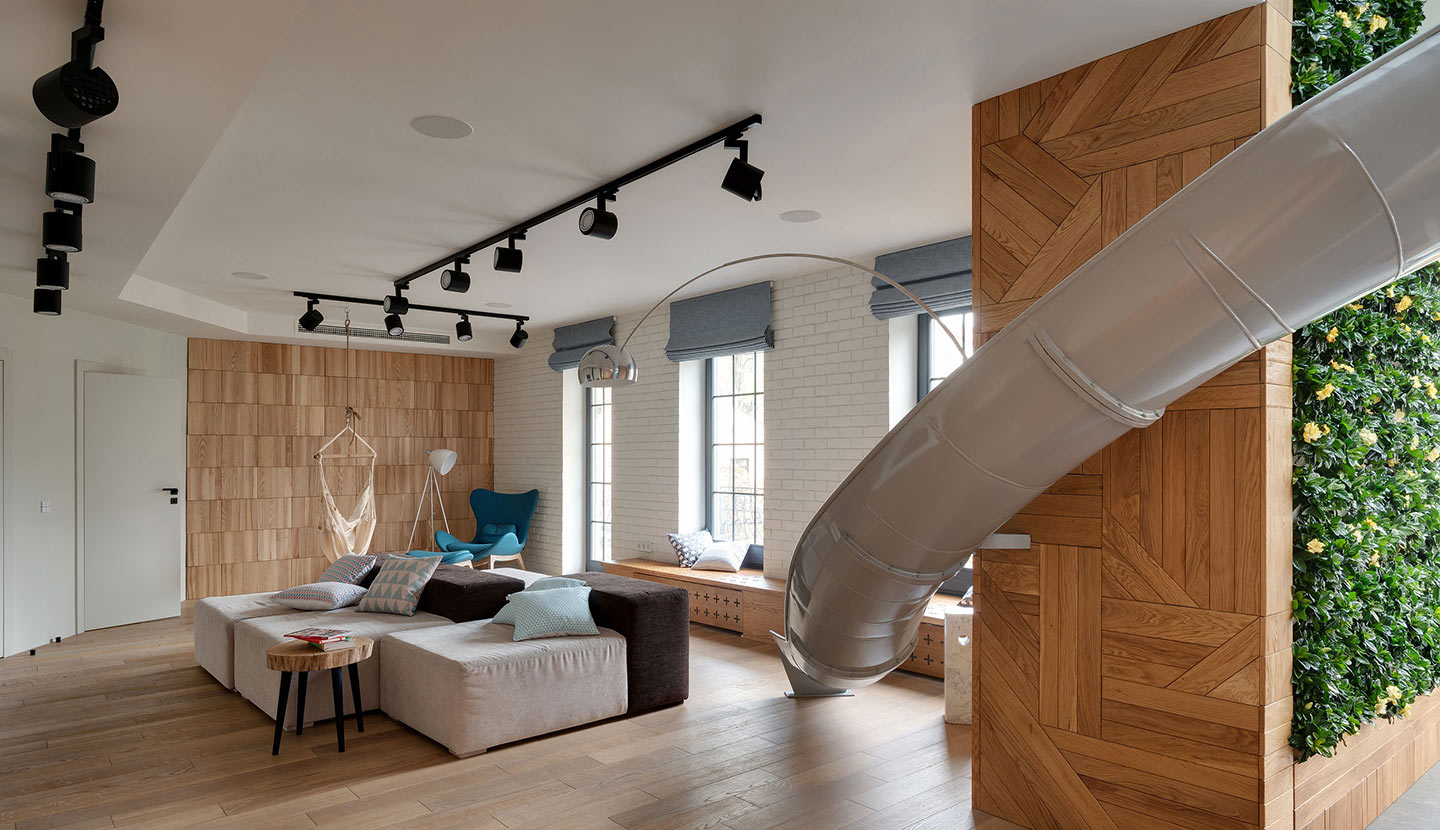
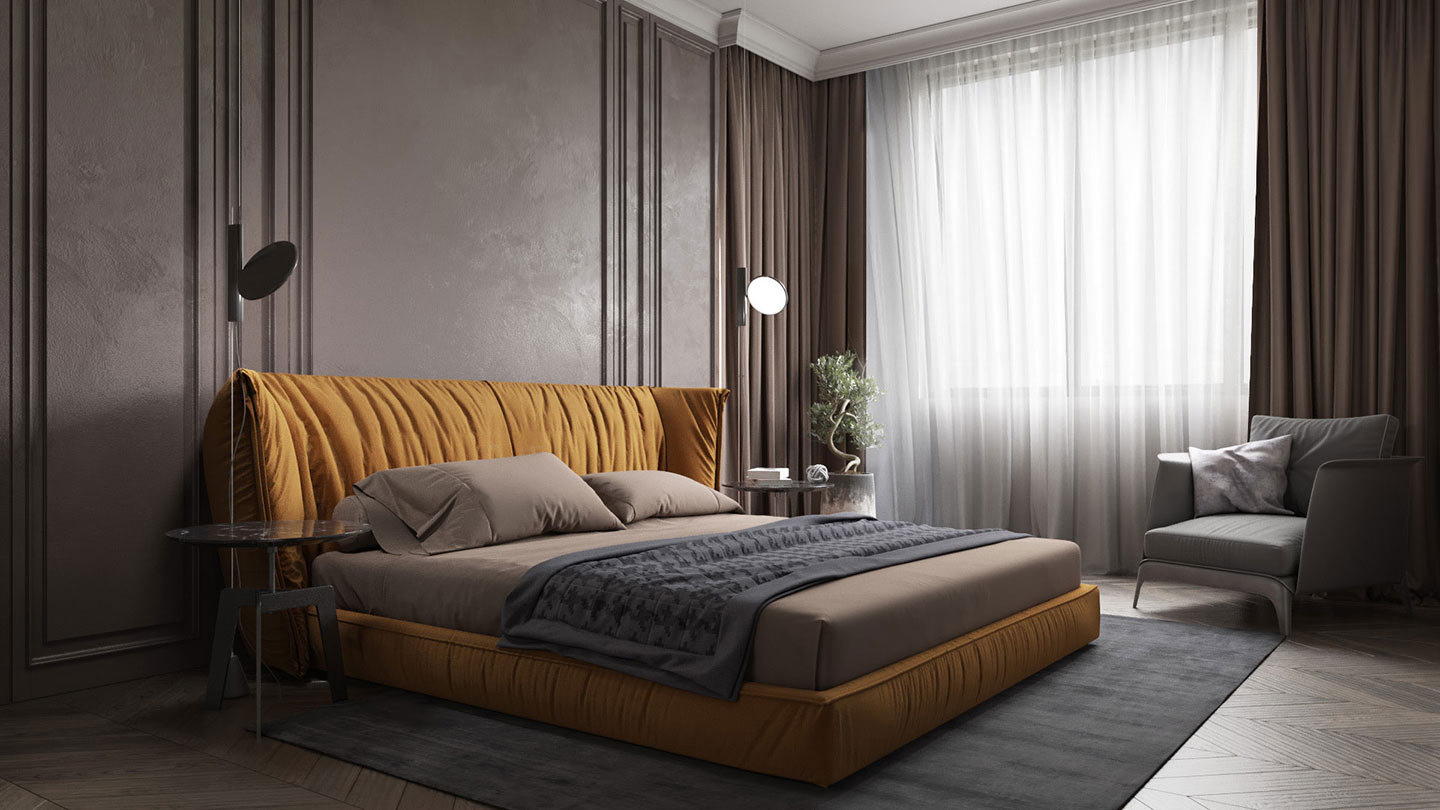
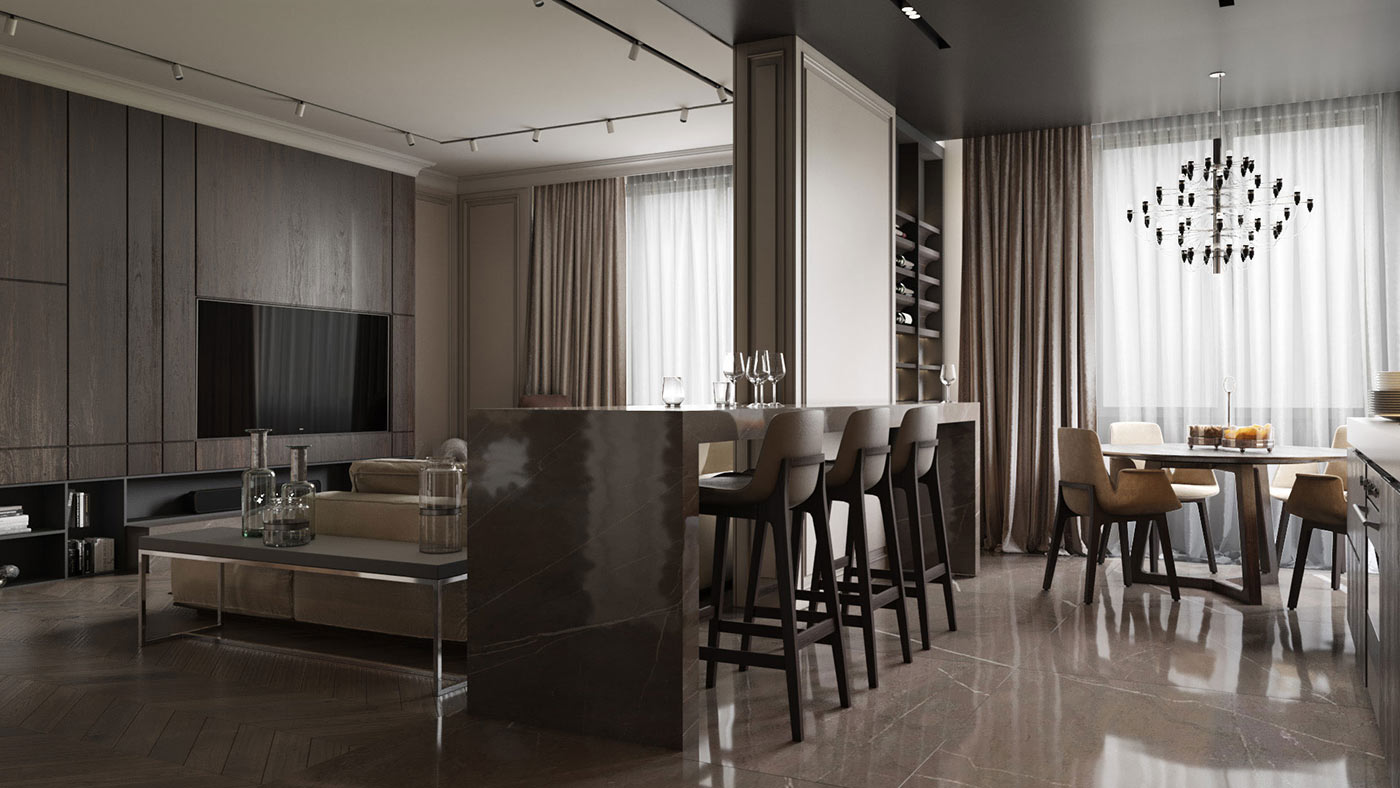
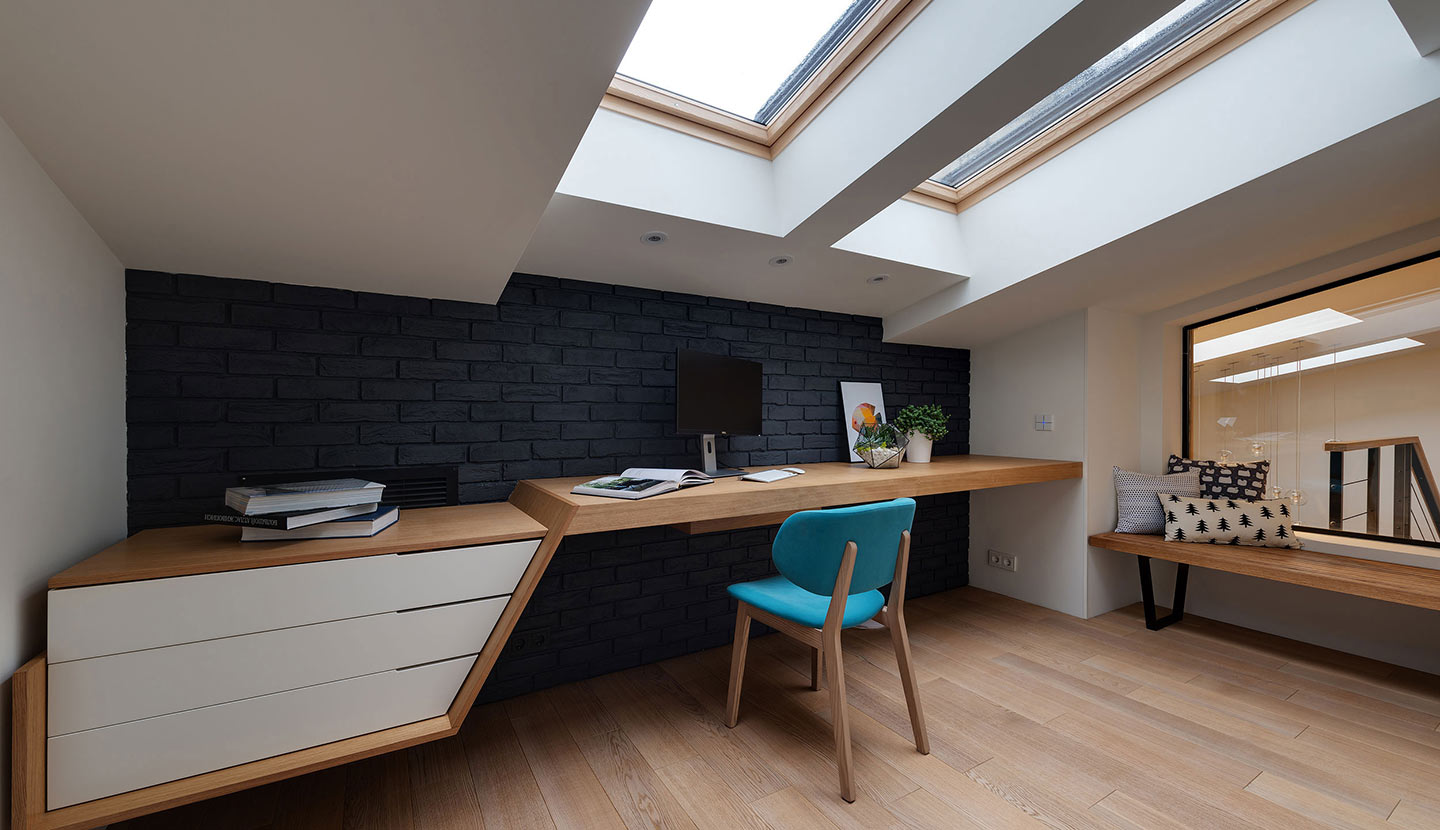
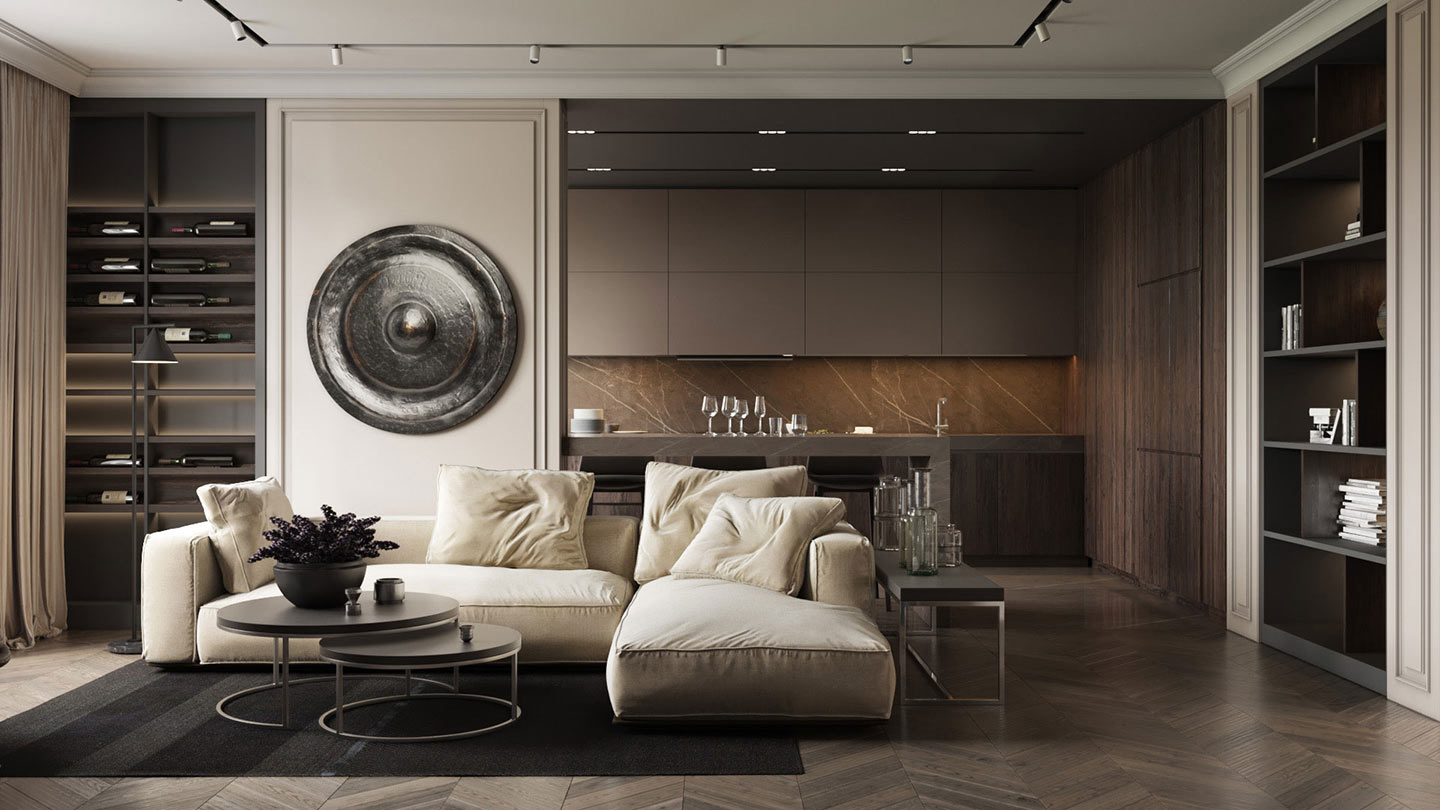
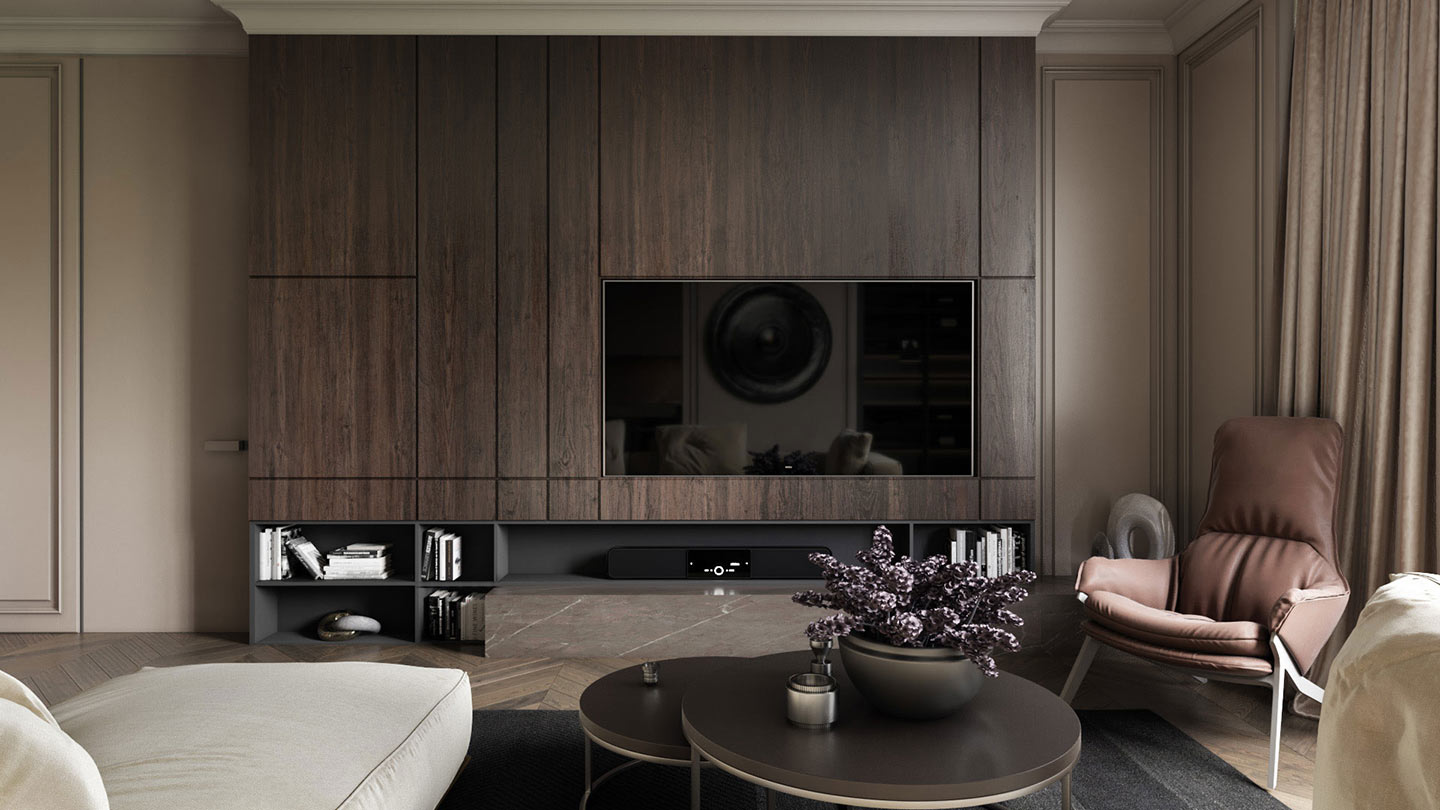
Interior design is the art and science of improving indoor spaces to make them more functional and attractive. It combines creativity and planning to create a better living or working environment.
It includes:
- Room planning
- Furniture arrangement
- Color selection
- Lighting design
- Material choice
- Decoration ideas
- Comfort planning
Interior design focuses on making every space useful and beautiful at the same time.
Why Interior Design Is Important
Interior design is important because it improves the quality of life inside any building.
Main Reasons It Matters
1. Improves Comfort
A well-designed space feels more relaxing and easy to live in.
2. Better Use of Space
Even small rooms can look bigger and more organized.
3. Improves Beauty
Interior design makes spaces modern, clean, and attractive.
4. Increases Property Value
Well-designed homes and offices have higher market value.
5. Improves Functionality
Every area is planned for a specific purpose, making life easier.
Key Elements of Interior Design
Interior design is made up of several important parts.
1. Space Planning
Space planning means deciding how space will be used.
It includes
- Room sizes
- Movement paths
- Furniture placement
- Open areas
Good space planning makes rooms more useful and organized.
2. Lighting Design
Lighting plays a big role in interior design.
Types of lighting
- Natural light
- Ceiling lights
- Wall lights
- Task lighting
Good lighting improves mood and visibility.
3. Color Selection
Colors affect how a space looks and feels.
Effects of colors
- Light colors make rooms look bigger
- Dark colors create a luxury feel
- Soft colors create calm environments
Proper color choice improves the overall look of a space.
4. Furniture Arrangement
Furniture must be placed in a smart way.
Includes
- Sofa placement
- Bed positioning
- Table arrangement
- Storage planning
Good arrangement improves comfort and movement.
5. Material Selection
Materials affect the beauty and durability of interiors.
Common materials
- Wood
- Marble
- Tiles
- Glass
- Fabric
- Metal
Good materials make spaces long-lasting and stylish.
6. Decoration
Decoration adds personality to a space.
Examples
- Wall art
- Plants
- Curtains
- Carpets
- Decorative lights
Decoration makes a space feel complete.
Steps in Interior Design Process
Interior design follows a step-by-step process.
Step 1 – Understanding Client Needs
Designers first understand what the client wants.
Questions include:
- What is the purpose of the space?
- How many people will use it?
- What style is preferred?
- What is the budget?
Step 2 – Space Analysis
The space is studied carefully.
It includes:
- Room size
- Light direction
- Ventilation
- Existing layout
Step 3 – Concept Planning
Basic design ideas are created.
This includes:
- Style selection
- Color themes
- Layout ideas
Step 4 – 2D Layout Design
A floor plan is created showing:
- Walls
- Doors
- Windows
- Furniture placement
Step 5 – 3D Visualization
A 3D model shows how the space will look in real life.
It helps clients see:
- Colors
- Furniture
- Lighting
- Materials
Step 6 – Final Design and Execution
Final drawings and plans are shared for construction or renovation.
Types of Interior Design
Interior design has different styles.
1. Modern Interior Design
- Simple look
- Clean lines
- Open spaces
2. Minimalist Design
- Less furniture
- Soft colors
- Simple layout
3. Traditional Design
- Cultural patterns
- Warm colors
- Classic furniture
4. Luxury Design
- Premium materials
- Bold style
- Elegant look
5. Contemporary Design
- Mix of modern and classic
- Flexible layouts
Benefits of Interior Design
Interior design offers many benefits for homes and offices.
1. Better Living Experience
Makes daily life more comfortable and easy.
2. Smart Space Usage
Even small spaces become useful and organized.
3. Improved Appearance
Spaces look modern and attractive.
4. Higher Property Value
Well-designed interiors increase property value.
5. Better Productivity
In offices, good design improves focus and performance.
Common Mistakes in Interior Design
Many people make mistakes when designing interiors.
Mistakes include
- Poor lighting
- Wrong furniture size
- Overcrowding space
- Bad color selection
- Ignoring ventilation
Avoiding these mistakes improves results.
Interior Design for Homes and Offices
Interior design is used in many spaces.
Homes
- Living room
- Bedroom
- Kitchen
- Bathroom
Offices
- Workstations
- Meeting rooms
- Reception areas
Each space has different design needs.
Why People Search for Interior Design
People search “what is interior design” because they want:
- Beautiful homes
- Better space planning
- Professional design services
- Modern lifestyle ideas
- Cost-effective solutions
This shows strong informational + service + buyer intent.
FAQs
What is interior design in simple words?
It is the process of making indoor spaces beautiful, comfortable, and useful.
Is interior design only decoration?
No, it also includes planning, space use, and functionality.
Why is interior design important?
It improves comfort, beauty, and usability of spaces.
Can small rooms be improved with interior design?
Yes, smart design makes small spaces look bigger and better.
Conclusion
Interior design is the art and science of improving indoor spaces. It focuses on comfort, beauty, and functionality. A good interior design makes homes and offices more enjoyable and practical.
From planning space to selecting colors and arranging furniture, every step plays an important role in creating a better environment. Whether it is a house or office, interior design helps make life easier, more comfortable, and more beautiful.