

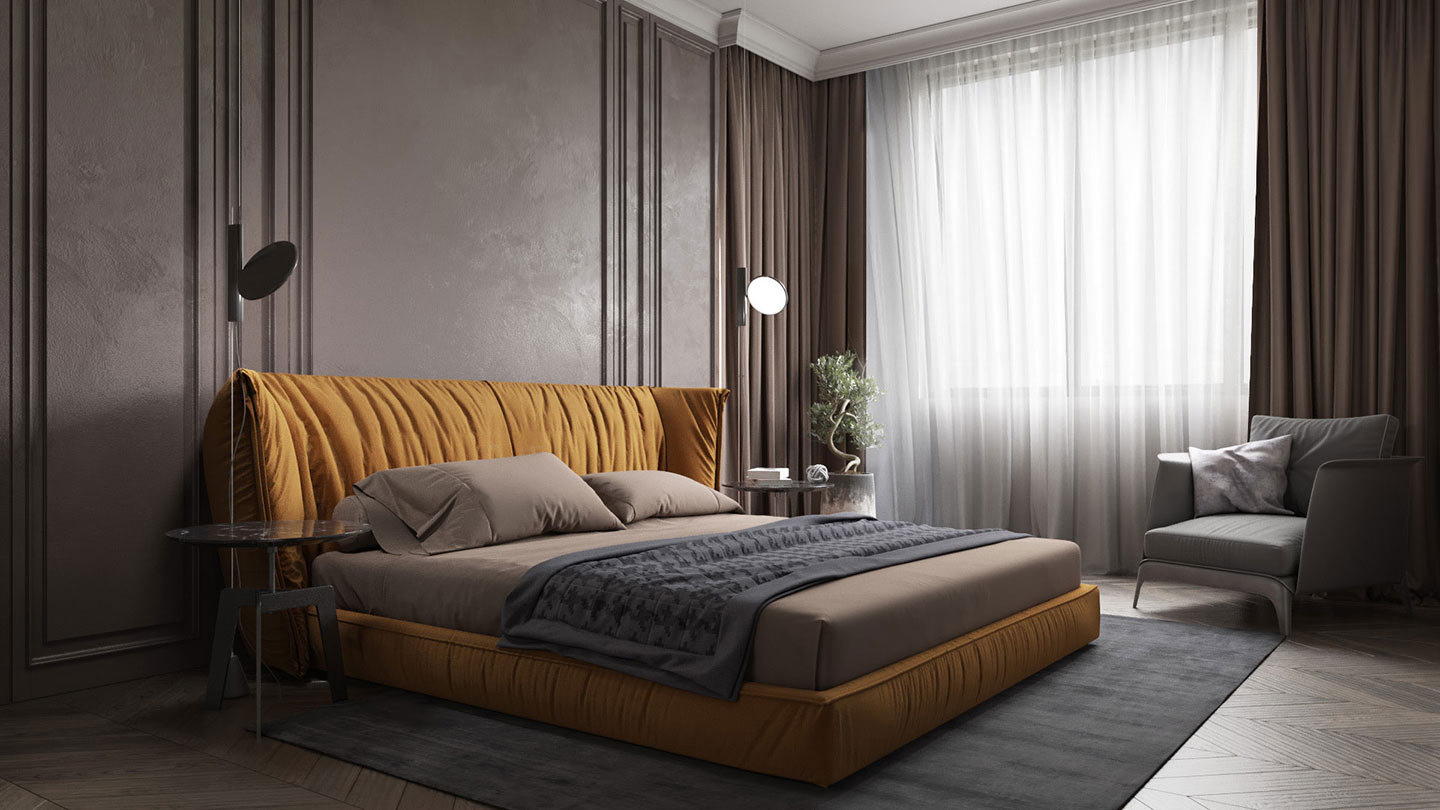
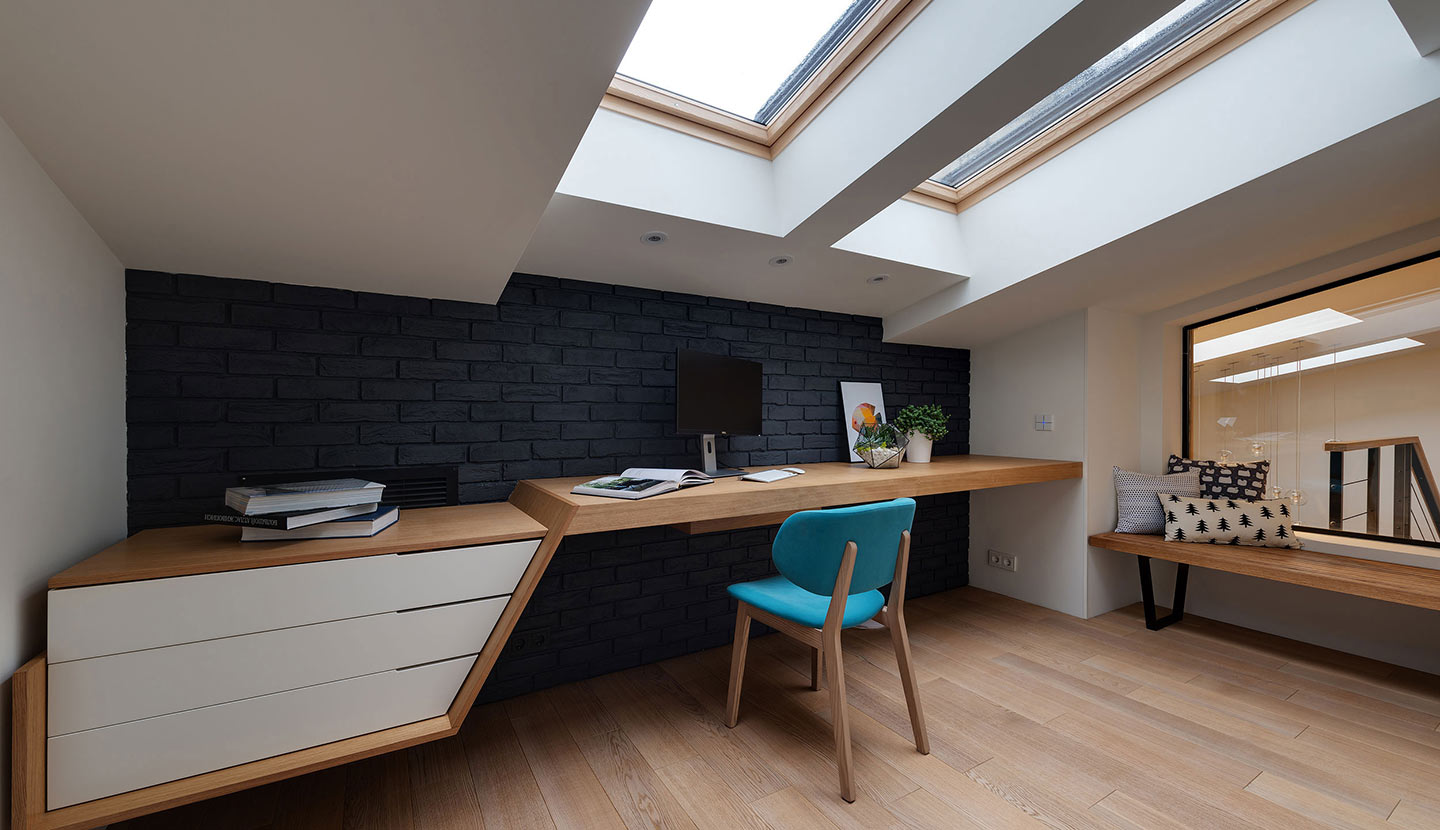
When people think about interior design, they often imagine choosing paint colors, buying furniture, or decorating a room. While these tasks are part of the process, interior designers do much more than simply make spaces look attractive. Their work combines creativity, planning, technical knowledge, and problem-solving to create environments that are both beautiful and functional.
Many homeowners, business owners, and property developers ask the question, “What do interior designers do?” Understanding their role can help you decide whether hiring a professional designer is the right choice for your project.
This guide explains the responsibilities, services, and benefits of working with an interior designer, helping you understand how they transform ideas into practical and visually appealing spaces.
What Is an Interior Designer?
An interior designer is a professional who plans, designs, and improves interior spaces. Their goal is to create environments that meet the needs of the people who use them while maintaining comfort, functionality, safety, and visual appeal.
Interior designers work on many types of projects, including:
- Homes
- Apartments
- Offices
- Retail stores
- Restaurants
- Hotels
- Commercial buildings
- Healthcare facilities
They combine design principles with technical expertise to create spaces that work efficiently and look attractive.
What Do Interior Designers Do?
Interior designers handle many responsibilities throughout a project. Their work begins long before furniture is selected and continues until the final details are completed.
Understanding Client Requirements
One of the first tasks an interior designer performs is meeting with clients to understand their goals.
During this stage, designers gather information about:
- Lifestyle needs
- Functional requirements
- Design preferences
- Budget expectations
- Project timeline
By understanding the client’s vision, the designer can create a customized design plan.
Space Planning and Layout Design
Space planning is one of the most important aspects of interior design.
Designers analyze how people use a space and determine the best layout for comfort and functionality.
This process involves:
- Arranging furniture
- Planning traffic flow
- Maximizing available space
- Creating functional zones
- Improving accessibility
A well-planned layout helps people move comfortably and use the space efficiently.
Why Space Planning Matters
Even beautiful furniture can make a room feel crowded if it is arranged poorly. Interior designers ensure that every element fits together properly.
Developing Interior Design Concepts
After gathering information, interior designers create design concepts that match the client’s goals.
These concepts may include:
- Color palettes
- Furniture recommendations
- Material selections
- Lighting ideas
- Decorative elements
The purpose is to provide a clear vision before work begins.
Many designers use sketches, mood boards, and digital presentations to communicate their ideas.
Selecting Colors and Finishes
Color selection plays a major role in interior design.
Interior designers understand how different colors affect mood, perception, and atmosphere.
They help clients choose:
- Wall colors
- Ceiling finishes
- Flooring materials
- Decorative accents
- Paint combinations
The right color scheme creates harmony throughout the space.
Creating Visual Balance
Designers use color to make rooms feel larger, brighter, warmer, or more relaxing depending on the desired outcome.
Furniture Selection and Arrangement
Furniture is a major component of any interior design project.
Interior designers recommend furniture based on:
- Room size
- Functionality
- Comfort
- Design style
- Budget
They also determine the best arrangement to maximize usability and visual appeal.
Choosing the Right Furniture
A designer considers more than appearance. They evaluate durability, quality, and practicality to ensure furniture meets the client’s needs.
Designing Lighting Plans
Lighting is often one of the most overlooked aspects of interior design.
Interior designers create lighting plans that improve both function and appearance.
They typically use three types of lighting:
Ambient Lighting
Provides overall room illumination.
Examples include:
- Ceiling fixtures
- Recessed lighting
- Chandeliers
Task Lighting
Supports specific activities such as reading, cooking, or working.
Examples include:
- Desk lamps
- Kitchen lighting
- Vanity lights
Accent Lighting
Highlights architectural features or decorative elements.
Examples include:
- Wall sconces
- Display lighting
- Artwork lighting
A balanced lighting plan improves comfort and enhances the overall design.
Material Selection
Interior designers help clients select materials that match the project’s goals and budget.
Common materials include:
- Wood
- Stone
- Glass
- Metal
- Ceramic tiles
- Fabrics
Designers consider factors such as durability, maintenance requirements, appearance, and cost before making recommendations.
Choosing the right materials helps create a space that remains attractive for years.
Managing Renovation Projects
Many interior designers are involved in renovation and remodeling projects.
Their responsibilities may include:
- Coordinating contractors
- Monitoring progress
- Reviewing construction work
- Solving design challenges
- Ensuring quality standards
Project management helps keep renovations organized and efficient.
Creating Custom Design Solutions
Every property is unique, which is why interior designers often develop custom solutions.
These may include:
Built-In Storage
Custom storage systems help maximize space and reduce clutter.
Custom Furniture
Specially designed furniture can improve functionality and fit specific room dimensions.
Unique Decorative Features
Custom wall treatments, shelving units, and design details can add character to a space.
Personalized solutions often create better results than standard options.
Improving Functionality
One of the primary answers to the question “What do interior designers do?” is that they improve functionality.
Designers solve practical problems such as:
- Limited storage
- Poor room layouts
- Inadequate lighting
- Traffic flow issues
- Space limitations
Their goal is to make daily activities easier and more comfortable.
Enhancing Property Value
Professional interior design can increase the value of a property.
Well-designed spaces often attract more buyers and tenants because they:
- Look more appealing
- Function better
- Feel more comfortable
- Require fewer modifications
For property owners, investing in interior design may provide long-term financial benefits.
Interior Designers and Commercial Spaces
Interior designers do not only work on homes.
Commercial projects often require specialized design services.
Examples include:
Office Design
Designers create productive and comfortable work environments.
Retail Design
Store layouts are designed to improve customer experience and product visibility.
Hospitality Design
Hotels and restaurants use interior design to create memorable guest experiences.
Healthcare Design
Medical facilities require spaces that support patient comfort and operational efficiency.
Each type of commercial project has unique requirements.
How Interior Designers Save Time and Money
Some people hesitate to hire a designer because they believe it will increase costs.
However, professional guidance can actually save money by helping clients avoid mistakes.
Interior designers can help prevent:
- Incorrect furniture purchases
- Poor material choices
- Expensive redesigns
- Construction errors
- Budget overruns
Their expertise often leads to more efficient decision-making throughout the project.
Skills Interior Designers Use Every Day
Successful interior designers rely on a combination of creative and technical skills.
Important skills include:
Creativity
Designers create attractive spaces that reflect client preferences.
Problem Solving
Every project presents challenges that require practical solutions.
Communication
Designers work closely with clients, contractors, and suppliers.
Technical Knowledge
Understanding building materials, lighting, and construction methods is essential.
Project Management
Designers coordinate multiple aspects of a project to ensure successful completion.
These skills help transform ideas into finished spaces.
When Should You Hire an Interior Designer?
Hiring an interior designer can be beneficial in many situations.
You may consider professional assistance when:
- Building a new home
- Renovating existing spaces
- Designing an office
- Upgrading commercial properties
- Planning major interior improvements
A designer can provide valuable guidance at every stage of the process.
Common Misconceptions About Interior Designers
Many myths surround the interior design profession.
Interior Designers Only Decorate
In reality, they handle planning, functionality, materials, layouts, and project coordination.
Interior Design Is Only for Luxury Homes
Interior designers work on projects of various sizes and budgets.
Designers Ignore Client Preferences
Professional designers focus on understanding and meeting client needs.
Knowing the truth helps people better appreciate the value designers provide.
Conclusion
So, what do interior designers do? They do much more than select furniture and decorations. Interior designers plan layouts, improve functionality, choose materials, develop design concepts, manage projects, and create spaces that meet both practical and aesthetic goals.
Whether working on a home, office, retail store, or commercial property, interior designers help transform ideas into well-organized and visually appealing environments. Their expertise can save time, reduce costly mistakes, and improve the overall quality of a project.
For anyone planning a renovation, new construction project, or interior upgrade, working with an experienced interior designer can make the entire process smoother and more successful.