

Designing a home interior is more than choosing paint colors or buying furniture. A well-designed home should be comfortable, practical, and visually appealing. Every room should serve a purpose while reflecting the lifestyle and personality of the people living in it.
Many homeowners ask, “How to design home interior?” The answer involves careful planning, smart design choices, and attention to detail. Whether you are building a new home, renovating an existing property, or simply updating a few rooms, understanding the basics of interior design can help you create a space that feels welcoming and organized.
This guide explains how to design home interior spaces step by step, helping you achieve a balanced and attractive result.
Why Home Interior Design Matters
A thoughtfully designed interior improves both the appearance and functionality of a home.
Good interior design helps:
- Maximize available space
- Improve comfort
- Enhance daily living
- Increase property value
- Create a positive atmosphere
- Reflect personal style
A home should not only look beautiful but also support the needs of the people who live there.
Understand Your Needs Before Designing
The first step in learning how to design home interior spaces is understanding your requirements.
Every household has different needs based on:
- Family size
- Lifestyle
- Daily routines
- Work requirements
- Entertainment preferences
Before making design decisions, consider how each room will be used.
For example:
- A family room may require comfortable seating.
- A home office may need functional storage and lighting.
- A bedroom should focus on relaxation and comfort.
Understanding these needs helps create practical design solutions.
Establish a Design Style
Choosing a design style creates consistency throughout the home.
Popular home interior design styles include:
Modern Interior Design
Modern interiors feature clean lines, simple furniture, and minimal decoration.
Contemporary Interior Design
Contemporary design reflects current trends while maintaining simplicity and functionality.
Traditional Interior Design
Traditional interiors often include classic furniture, rich textures, and elegant details.
Minimalist Interior Design
Minimalism focuses on simplicity, open spaces, and reducing unnecessary items.
Scandinavian Interior Design
This style combines functionality, natural materials, and light color palettes.
Selecting a primary design style makes it easier to choose furniture, colors, and decorative elements.
Create a Realistic Budget
A successful home interior project starts with proper budgeting.
Your budget may include:
- Furniture
- Flooring
- Paint
- Lighting
- Decorative accessories
- Window treatments
- Renovation expenses
Setting a realistic budget helps prevent overspending and allows you to prioritize important elements.
A clear financial plan also makes the design process smoother.
Measure and Analyze the Space
Before purchasing furniture or planning layouts, take accurate measurements.
Important measurements include:
- Room dimensions
- Ceiling height
- Door locations
- Window placement
- Existing fixtures
Accurate measurements help ensure that furniture and design elements fit properly.
This step prevents costly mistakes later in the project.
Plan the Room Layout
A functional layout is one of the most important aspects of home interior design.
Furniture should be arranged to support movement and daily activities.
Focus on Traffic Flow
People should be able to move comfortably throughout the room without obstacles.
Create Functional Zones
Large spaces can be divided into separate areas for:
- Seating
- Dining
- Working
- Entertainment
Avoid Overcrowding
Too much furniture can make a room feel cramped and uncomfortable.
A balanced layout improves both comfort and appearance.
Choose the Right Color Scheme
Color plays a major role in determining the mood and atmosphere of a home.
Neutral Colors
Neutral tones such as white, beige, gray, and cream create a timeless and versatile look.
Warm Colors
Colors like yellow, orange, and red can make a room feel energetic and welcoming.
Cool Colors
Blue and green often create calm and relaxing environments.
Accent Colors
Accent colors add personality and visual interest without overwhelming the space.
A balanced color palette creates harmony throughout the home.
Select Suitable Flooring
Flooring serves as the foundation of interior design.
Popular flooring options include:
Tile Flooring
Durable and easy to maintain.
Hardwood Flooring
Provides warmth and natural beauty.
Vinyl Flooring
Affordable and available in many styles.
Laminate Flooring
Offers the appearance of wood at a lower cost.
Stone Flooring
Creates a luxurious and durable surface.
Choose flooring based on durability, maintenance requirements, and design preferences.
Choose Functional Furniture
Furniture should combine style, comfort, and practicality.
When selecting furniture, consider:
Size
Furniture should fit the room without overwhelming the space.
Comfort
Seating should provide adequate support and relaxation.
Functionality
Multi-purpose furniture can improve efficiency, especially in smaller homes.
Quality
Investing in durable furniture often provides better long-term value.
Every piece should contribute to the room’s purpose and overall design.
Improve Lighting Design
Lighting significantly affects how a room looks and feels.
A good lighting plan combines multiple sources.
Ambient Lighting
Provides general illumination for the entire room.
Examples include:
- Ceiling lights
- Chandeliers
- Recessed lighting
Task Lighting
Supports specific activities.
Examples include:
- Reading lamps
- Desk lighting
- Kitchen work lights
Accent Lighting
Highlights decorative features and architectural details.
Examples include:
- Wall sconces
- Artwork lighting
- Display lights
Proper lighting enhances comfort, functionality, and aesthetics.
Maximize Natural Light
Natural light can make a home feel larger, brighter, and more inviting.
Ways to increase natural light include:
- Using larger windows
- Choosing light-colored walls
- Installing mirrors
- Keeping window treatments simple
Natural light also reduces the need for artificial lighting during the day.
Add Storage Solutions
Storage plays a major role in maintaining an organized home.
Effective storage solutions include:
Built-In Cabinets
Provide long-term organization and maximize space.
Floating Shelves
Offer storage without taking up floor space.
Storage Benches
Combine seating with hidden storage.
Multi-Functional Furniture
Items such as storage beds and ottomans improve efficiency.
Organized spaces feel cleaner and more comfortable.
Incorporate Texture and Materials
Texture adds depth and character to interior spaces.
Popular materials include:
- Wood
- Glass
- Metal
- Fabric
- Stone
- Leather
Combining different textures creates visual interest and prevents spaces from feeling flat.
For example, a room may include:
- Soft fabric sofas
- Wooden furniture
- Metal lighting fixtures
- Stone accents
This mix creates balance and variety.
Decorate With Purpose
Decorative elements should enhance the space without creating clutter.
Popular décor items include:
Artwork
Adds personality and visual interest.
Indoor Plants
Bring freshness and a natural touch to interiors.
Rugs
Define spaces and add warmth.
Decorative Cushions
Introduce color and texture.
Mirrors
Reflect light and create a sense of openness.
The best decorations complement the overall design rather than overpower it.
Design Each Room Individually
Every room serves a unique purpose and requires specific design considerations.
Living Room Design
Focus on comfort, conversation, and entertainment.
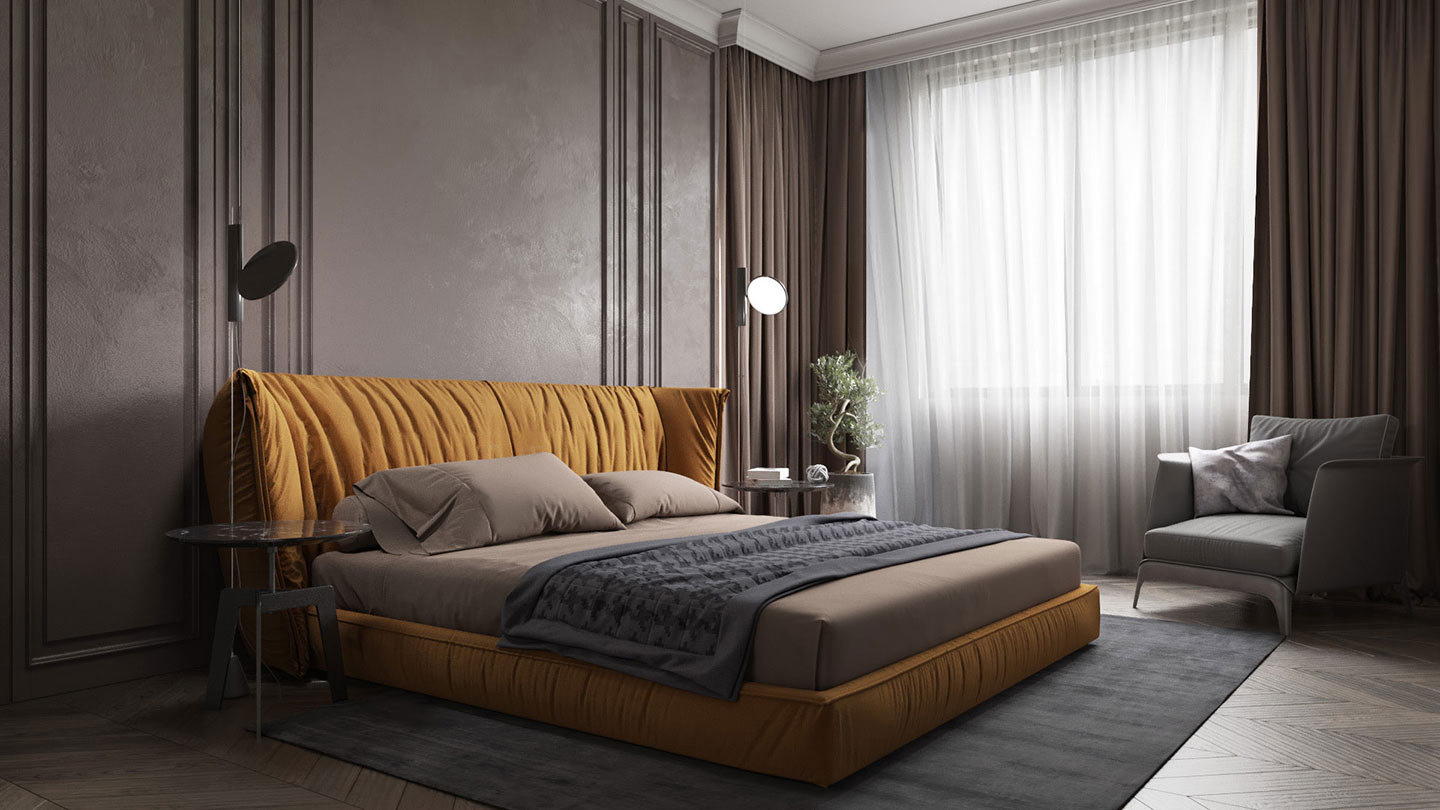
Bedroom Design
Create a peaceful environment with calming colors and comfortable furniture.
Kitchen Design
Prioritize efficiency, storage, and durable materials.
Dining Room Design
Ensure adequate seating and comfortable movement.
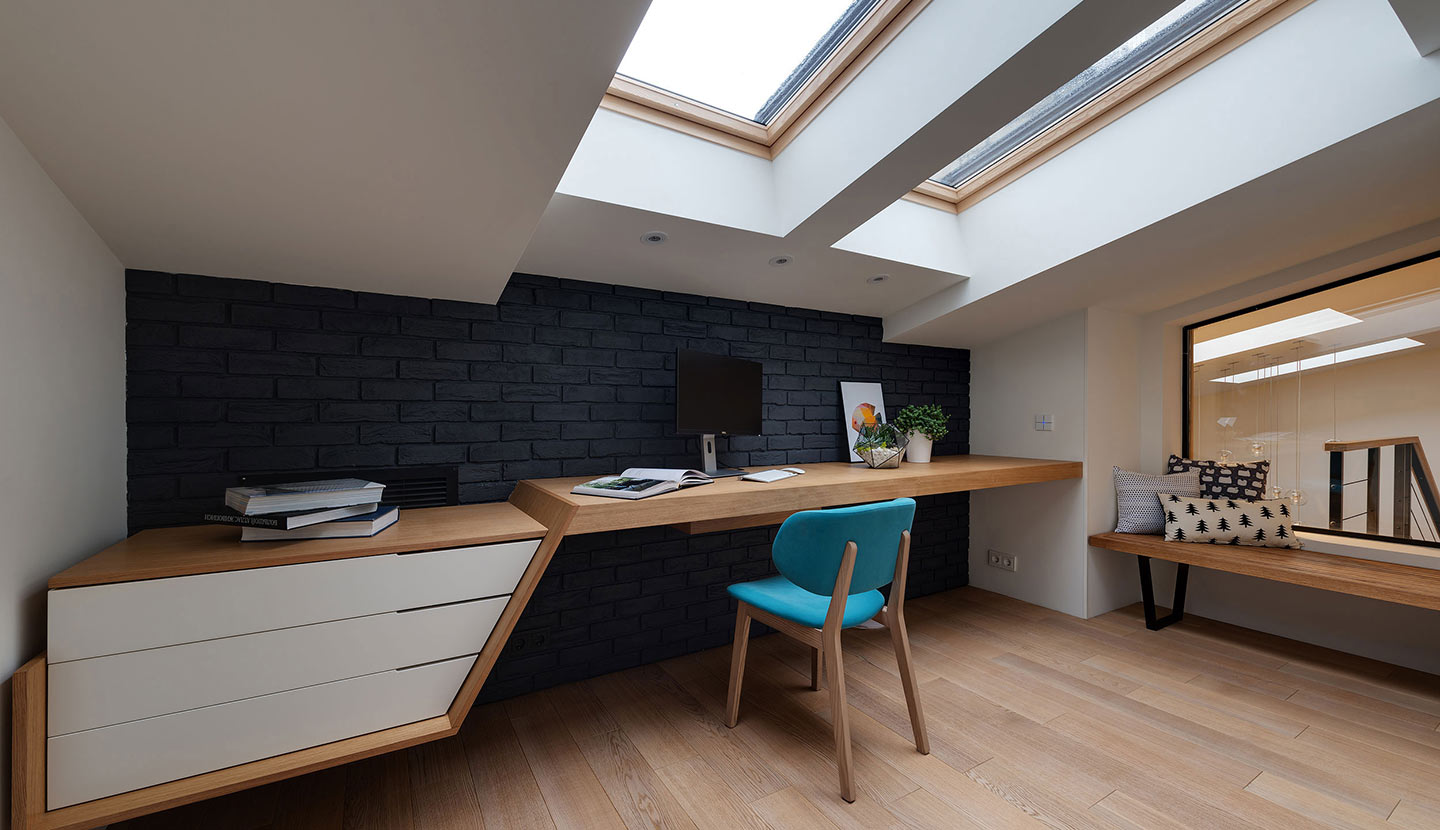
Home Office Design
Support productivity with proper lighting and organization.
Each room should balance functionality with style.
Common Home Interior Design Mistakes
Understanding common mistakes can help improve your design decisions.
Ignoring Functionality
A room should be practical before focusing on appearance.
Buying Furniture Too Early
Always plan layouts and measurements first.
Using Too Many Colors
Too many competing colors can create visual confusion.
Poor Lighting Choices
Insufficient lighting can negatively affect both comfort and aesthetics.
Following Trends Only
Choose designs that fit your lifestyle rather than temporary trends.
Avoiding these mistakes leads to more successful outcomes.
Should You Hire an Interior Designer?
Many homeowners choose to work with professional interior designers for expert guidance.
An interior designer can assist with:
- Space planning
- Material selection
- Furniture sourcing
- Lighting design
- Budget management
- Project coordination
Professional support can help save time and reduce costly mistakes, especially during large projects.
Benefits of Professional Home Interior Design
Professional interior design offers several advantages.
Better Space Utilization
Experts know how to maximize every area of the home.
Improved Functionality
Design decisions are based on practical needs.
Enhanced Appearance
Professionally designed spaces often look more balanced and cohesive.
Increased Property Value
Well-designed interiors can improve market appeal and long-term value.
These benefits make professional design services a worthwhile investment for many homeowners.
Conclusion
Learning how to design home interior spaces begins with understanding your needs, setting a budget, choosing a design style, and creating a functional layout. Every decision—from colors and furniture to lighting and storage—plays an important role in shaping the overall look and feel of a home.
A successful home interior combines beauty, comfort, and practicality. Whether you are updating a single room or planning a complete renovation, thoughtful design choices can help create a space that supports your lifestyle and enhances everyday living. By following the principles outlined in this guide, you can design a home interior that is both attractive and highly functional for years to come.