

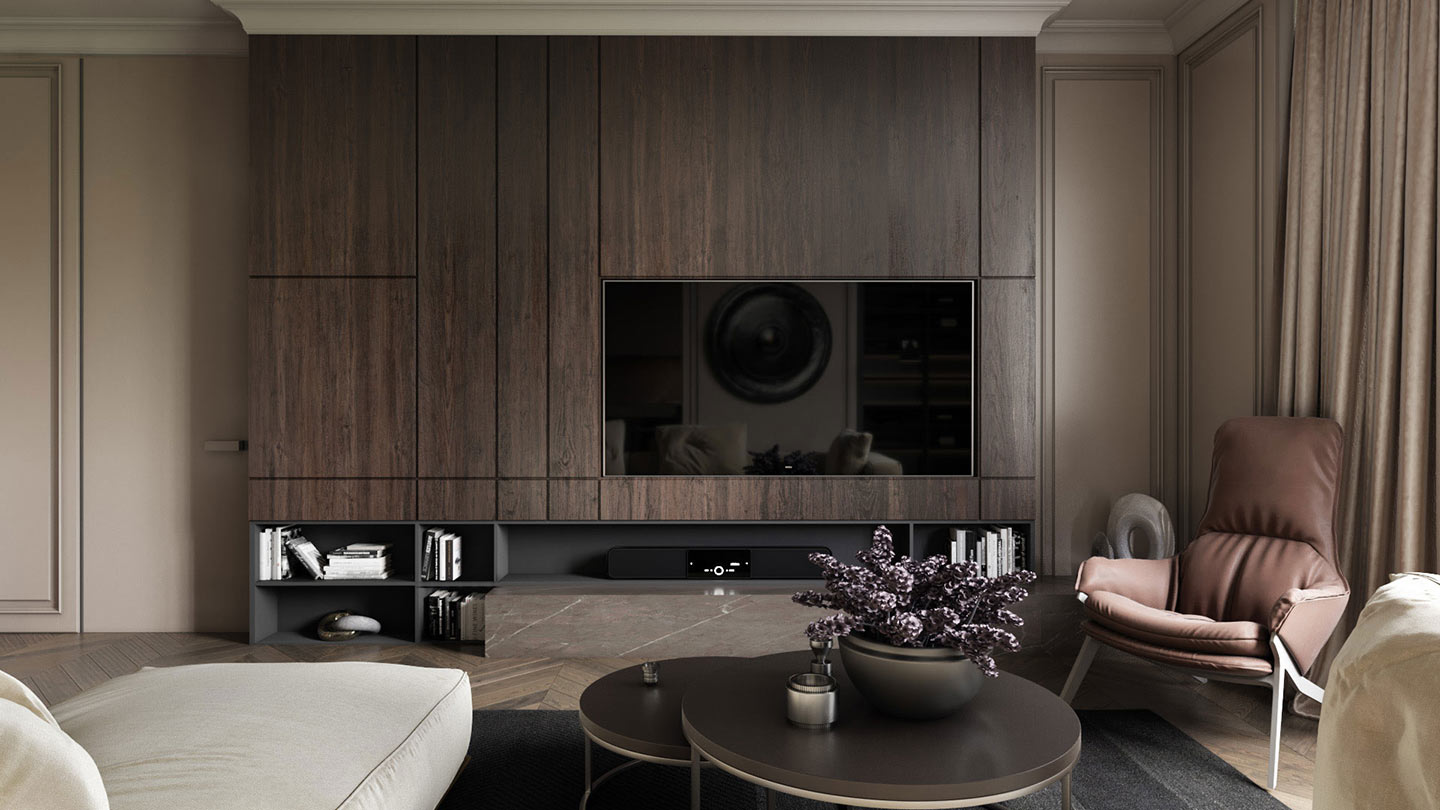
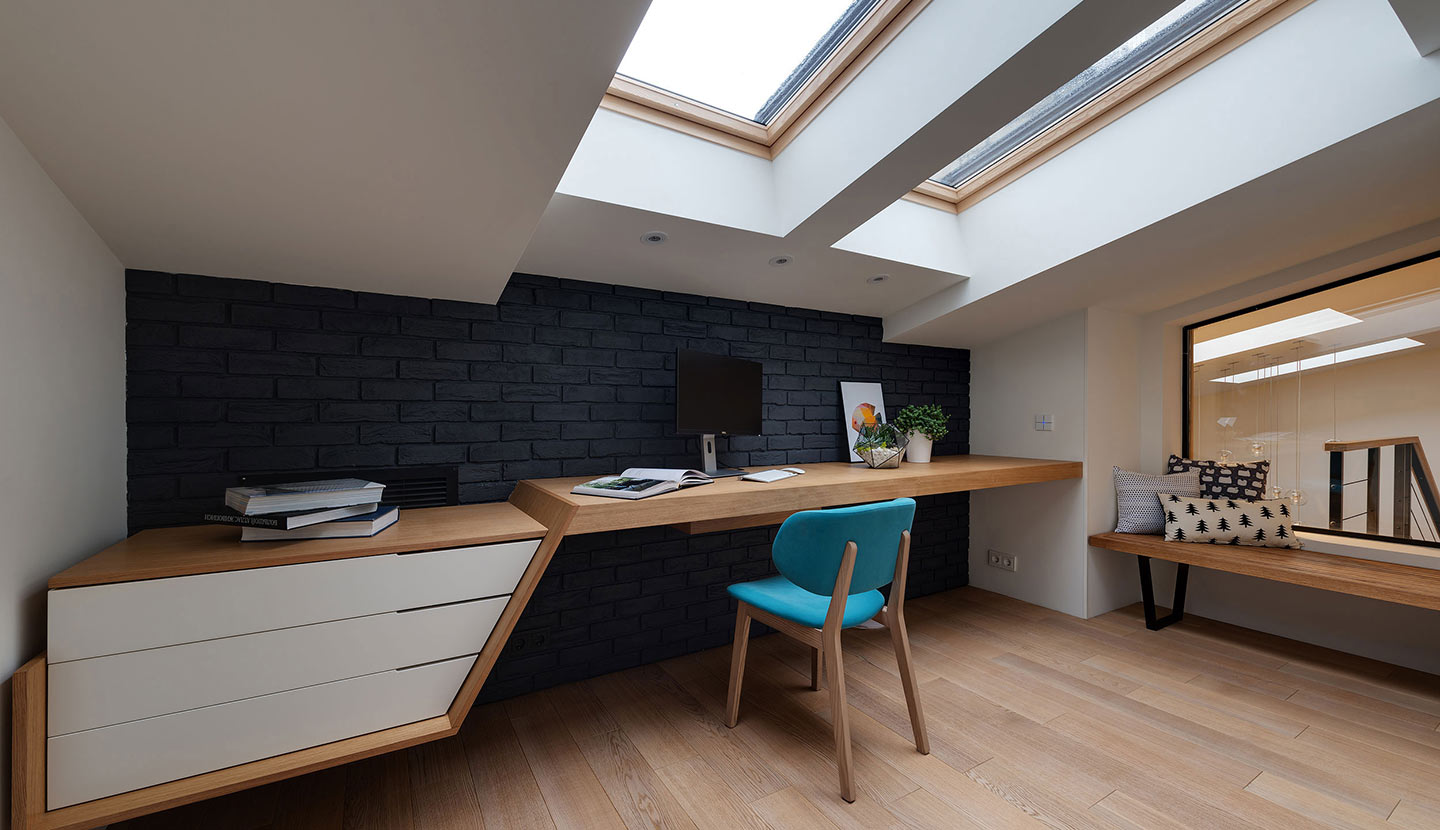
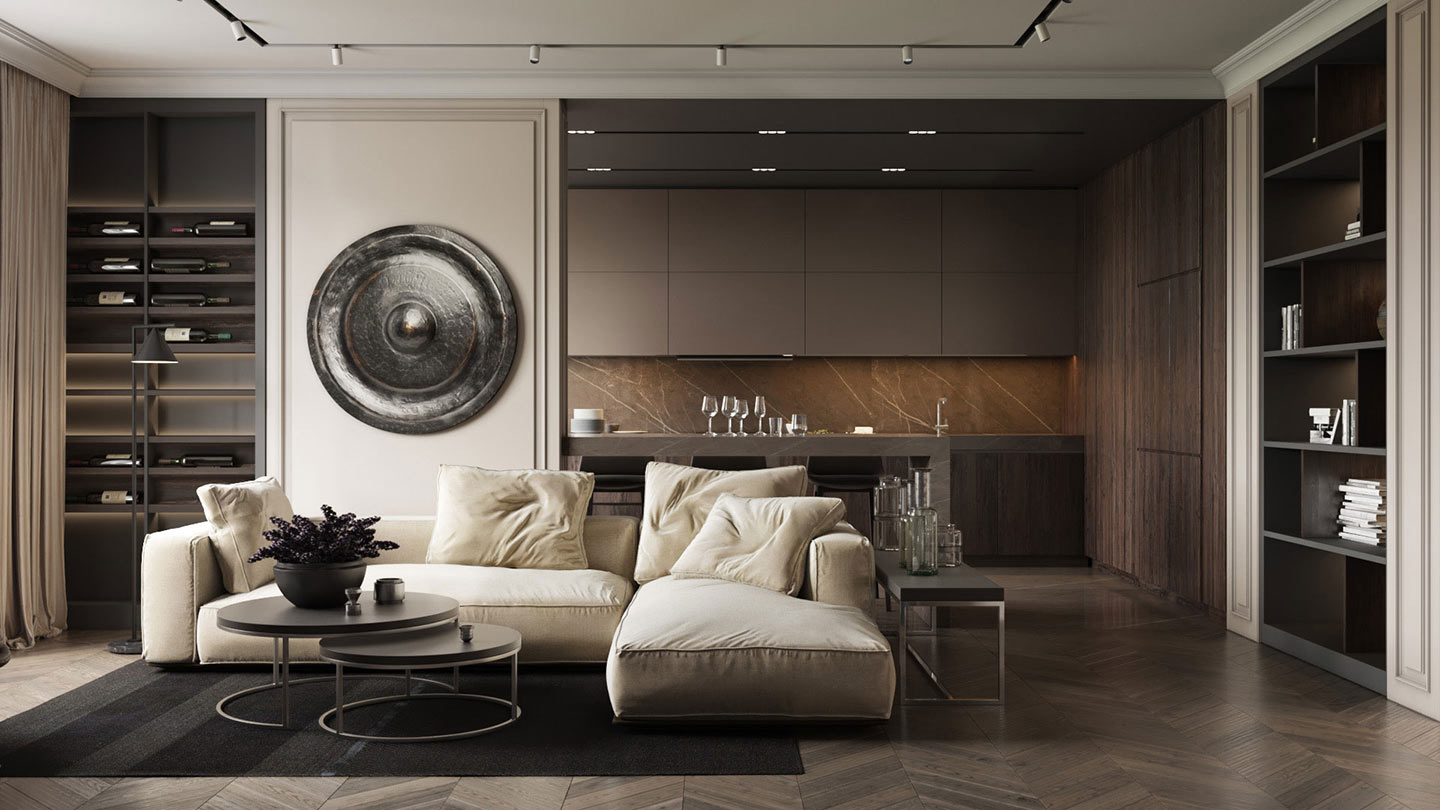
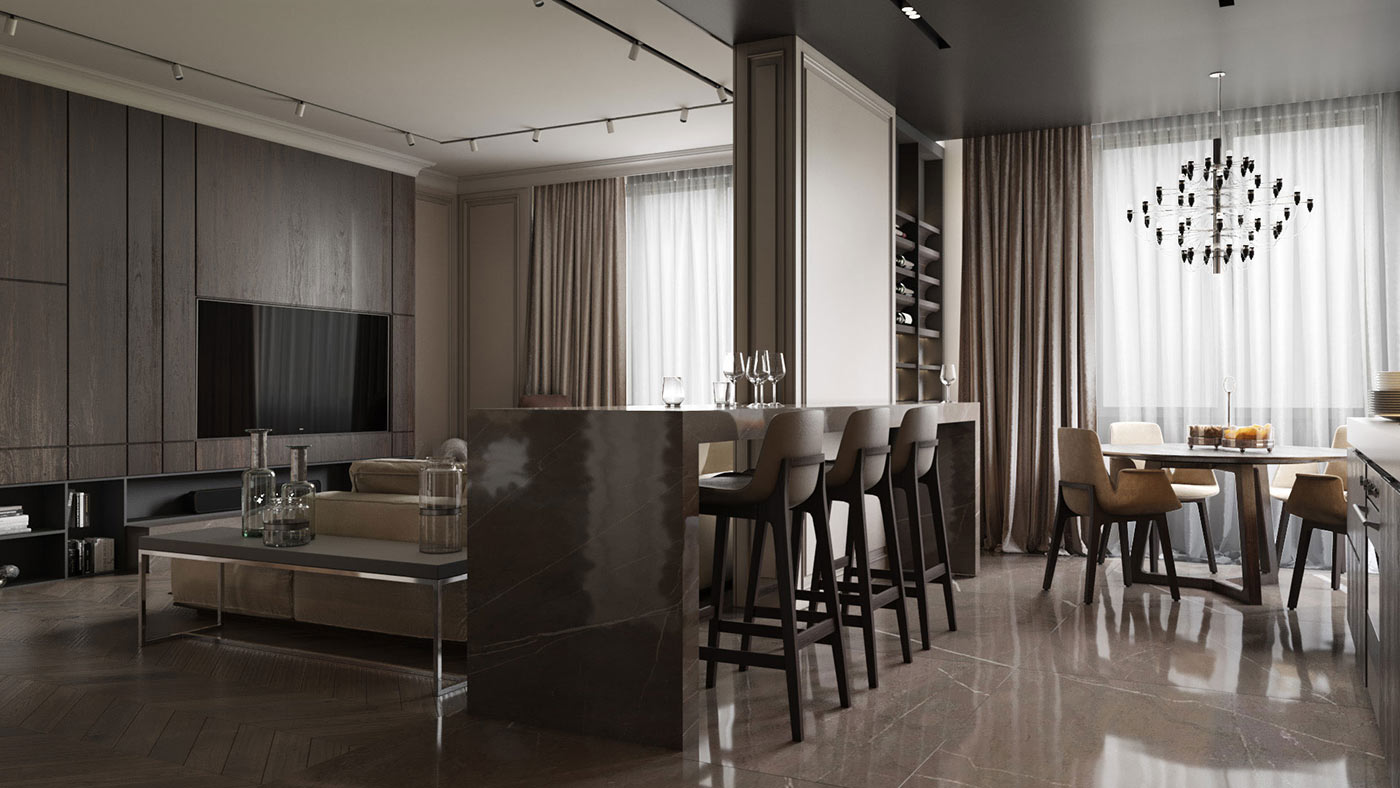
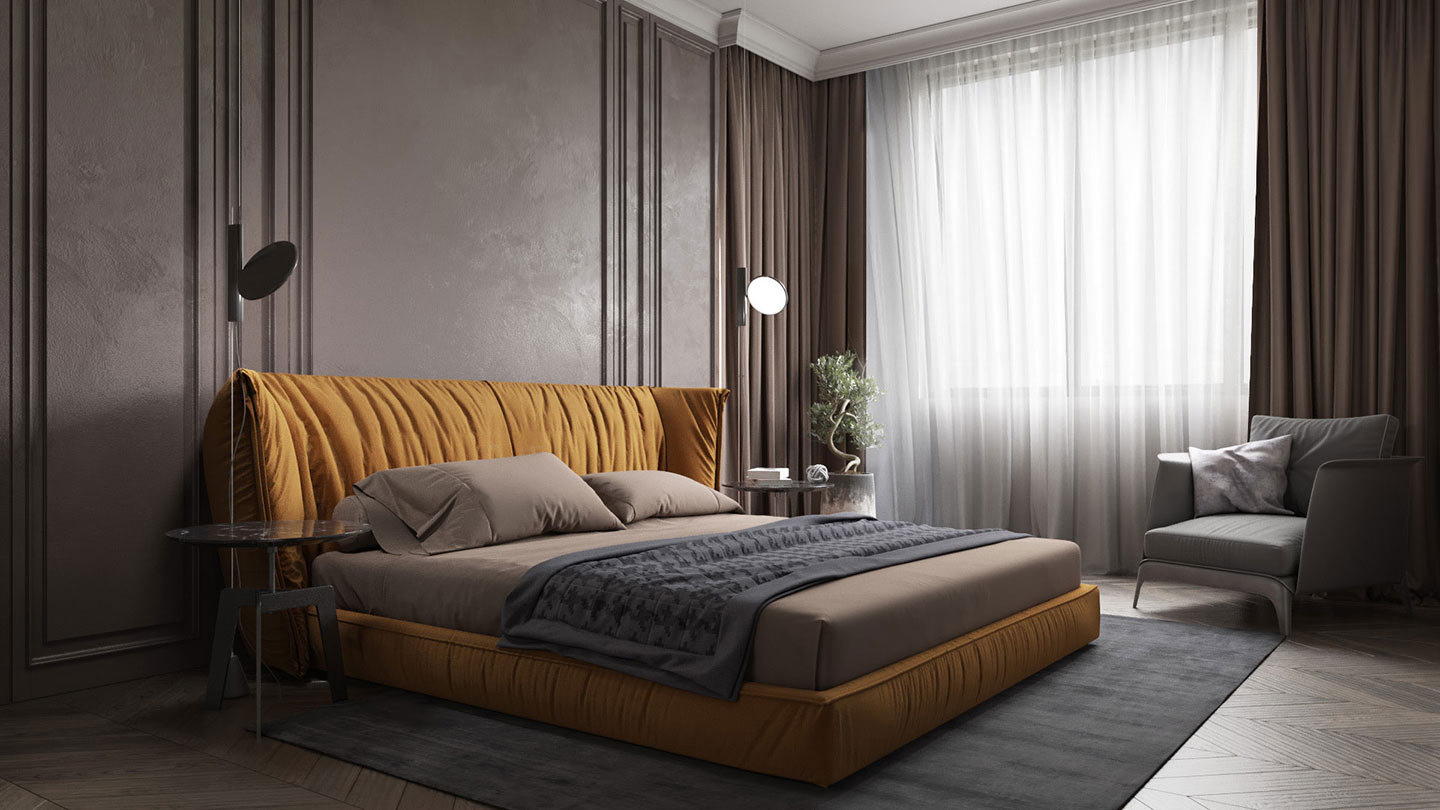
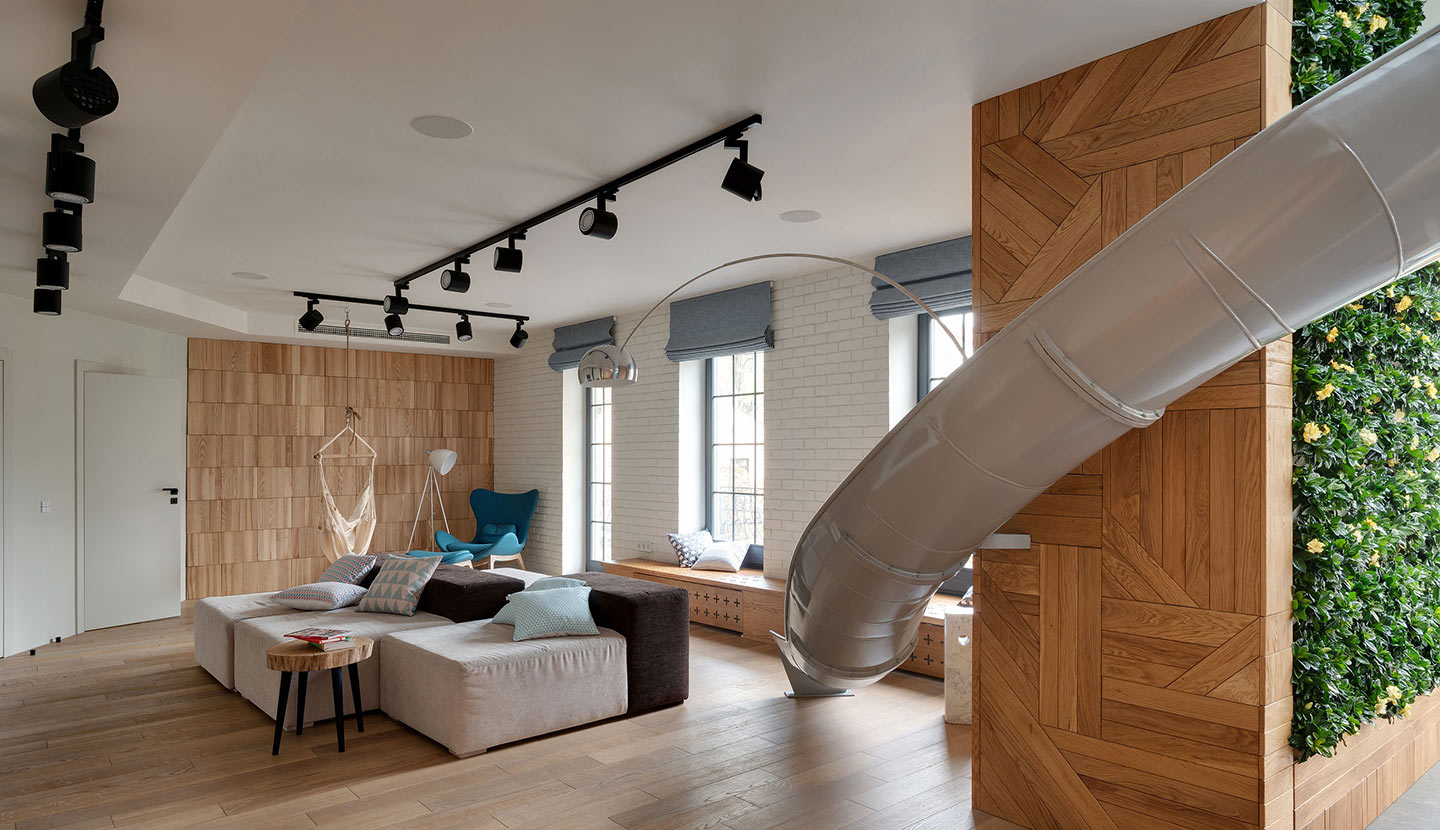
Contemporary interior design is one of the most popular design styles used in homes, offices, apartments, and commercial spaces today. Known for its clean appearance, functional layouts, and sophisticated details, this design style focuses on creating comfortable and visually appealing environments that reflect current trends.
Many people often confuse contemporary interior design with modern interior design. While the two styles share some similarities, they are not exactly the same. Contemporary design continuously evolves and adapts to changing preferences, materials, and lifestyles. It represents what is popular and relevant in the present day.
If you have ever wondered what is contemporary interior design, this guide will explain its characteristics, benefits, design elements, and how it can transform a space into a stylish and practical environment.
What Is Contemporary Interior Design?
Contemporary interior design refers to a design style that reflects current trends and modern lifestyles. Unlike traditional design styles that follow specific historical influences, contemporary interiors are constantly changing and adapting over time.
The main goal of contemporary design is to create spaces that feel:
- Clean
- Open
- Functional
- Comfortable
- Elegant
- Simple
This style emphasizes balance, practicality, and visual harmony while avoiding unnecessary clutter and excessive decoration.
Because contemporary design evolves with current trends, it often incorporates new materials, technologies, and design innovations.
The History of Contemporary Interior Design
To better understand what is contemporary interior design, it helps to know where it originated.
Contemporary design developed from modern design principles that became popular during the twentieth century. While modern design follows a specific historical period, contemporary design changes with the times.
As lifestyles evolved, designers began combining elements from various styles while maintaining simplicity and functionality. This flexible approach led to the contemporary interiors seen today.
Modern contemporary spaces often incorporate:
- Open layouts
- Sustainable materials
- Smart home technology
- Natural lighting
- Minimal decorative elements
These features help create interiors that suit modern living needs.
Key Characteristics of Contemporary Interior Design
Several features define contemporary interior design and distinguish it from other styles.
Clean Lines
One of the most recognizable characteristics is the use of clean, simple lines.
Furniture, lighting fixtures, and architectural elements typically feature smooth and uncluttered shapes.
Straight lines often dominate contemporary spaces, creating an organized and sophisticated appearance.
Open Spaces
Contemporary interiors often embrace open floor plans.
Open layouts help:
- Improve movement
- Increase natural light
- Create a sense of spaciousness
- Encourage social interaction
Large living areas that connect with dining and kitchen spaces are common examples.
Minimal Clutter
Contemporary design follows a “less is more” philosophy.
Instead of filling rooms with decorative objects, the focus remains on carefully selected items that serve a purpose.
This approach helps create calm and visually balanced spaces.
Neutral Color Palettes
Contemporary interiors often use neutral colors as the foundation of the design.
Popular colors include:
- White
- Gray
- Beige
- Cream
- Black
Neutral tones create a timeless look and provide flexibility when adding decorative accents.
Colors Used in Contemporary Interior Design
Color selection plays an important role in contemporary spaces.
Neutral Base Colors
Most contemporary interiors start with neutral backgrounds.
These colors make spaces feel:
- Larger
- Brighter
- More relaxing
- More versatile
Neutral shades also allow furniture and artwork to stand out.
Bold Accent Colors
While neutral colors dominate, contemporary design often includes accent colors to add visual interest.
Common accent colors include:
- Deep blue
- Green
- Mustard yellow
- Charcoal
- Burnt orange
Accent colors are usually introduced through:
- Cushions
- Rugs
- Artwork
- Decorative accessories
This creates contrast without overwhelming the room.
Furniture in Contemporary Interior Design
Furniture is one of the most important elements of contemporary design.
Simple Shapes
Contemporary furniture features clean lines and smooth surfaces.
Common characteristics include:
- Straight edges
- Minimal ornamentation
- Functional designs
- Comfortable forms
Focus on Comfort
While appearance matters, comfort remains a priority.
Furniture is chosen to support everyday living while maintaining a stylish appearance.
Quality Materials
Many contemporary interiors include furniture made from:
- Wood
- Metal
- Glass
- Leather
- High-quality fabrics
Combining these materials creates visual interest and balance.
Lighting in Contemporary Interior Design
Lighting is a major feature of contemporary interiors.
A well-designed lighting plan improves both functionality and appearance.
Natural Light
Contemporary spaces often maximize natural light through:
- Large windows
- Glass doors
- Open layouts
Natural light makes rooms feel larger and more inviting.
Modern Light Fixtures
Lighting fixtures often serve as decorative focal points.
Popular choices include:
- Pendant lights
- Recessed lighting
- Floor lamps
- Track lighting
These fixtures combine practicality with modern style.
Layered Lighting
Contemporary interiors use multiple lighting sources to create depth and flexibility.
A balanced lighting plan includes:
- Ambient lighting
- Task lighting
- Accent lighting
This approach improves comfort and usability.
Materials Commonly Used in Contemporary Design
Contemporary interiors often combine different materials to create contrast and texture.
Popular materials include:
Glass
Glass contributes to an open and airy atmosphere.
It is commonly used for:
- Windows
- Partitions
- Tables
- Decorative features
Metal
Metal finishes add a sleek and sophisticated touch.
Common options include:
- Stainless steel
- Chrome
- Brushed nickel
- Black metal
Wood
Wood introduces warmth and natural beauty into contemporary spaces.
It is frequently used for:
- Flooring
- Furniture
- Wall panels
- Shelving
Stone
Natural stone adds texture and durability.
Popular choices include:
- Marble
- Granite
- Quartz
These materials help create a refined appearance.
Contemporary Interior Design for Living Rooms
Living rooms often serve as the centerpiece of contemporary homes.
Key features may include:
- Open layouts
- Neutral colors
- Comfortable seating
- Large windows
- Minimal decoration
Furniture arrangements are designed to encourage conversation and relaxation while maintaining a clean appearance.
Contemporary Interior Design for Bedrooms
Contemporary bedrooms focus on comfort and simplicity.
Common elements include:
- Soft color palettes
- Functional furniture
- Clean-lined beds
- Built-in storage
- Layered lighting
The goal is to create a peaceful and relaxing environment.
Contemporary Interior Design for Kitchens
Contemporary kitchens emphasize efficiency and organization.
Popular features include:
Sleek Cabinetry
Cabinets often have simple designs with minimal detailing.
Modern Appliances
Integrated appliances help maintain a clean appearance.
Open Layouts
Open kitchens improve flow and encourage social interaction.
Durable Surfaces
Materials are selected for both appearance and practicality.
Benefits of Contemporary Interior Design
Many homeowners choose contemporary design because of its numerous advantages.
Timeless Appeal
Although contemporary design evolves over time, its focus on simplicity helps it remain attractive for years.
Better Functionality
Every design element serves a practical purpose.
Easy Maintenance
Minimal clutter and simple finishes make cleaning easier.
Enhanced Comfort
Comfort is prioritized without sacrificing style.
Increased Property Appeal
Well-designed contemporary interiors often attract buyers and tenants.
These benefits make contemporary design a popular choice for residential and commercial properties.
Contemporary Interior Design vs Modern Interior Design
Many people use these terms interchangeably, but there are important differences.
Modern Design
Modern design refers to a specific historical style that originated in the early to mid-twentieth century.
Contemporary Design
Contemporary design reflects current trends and changes over time.
In simple terms, modern design remains fixed while contemporary design continues to evolve.
Understanding this distinction helps when choosing a design direction for a project.
Common Mistakes to Avoid in Contemporary Design
When creating a contemporary interior, avoid these common mistakes.
Overdecorating
Too many accessories can make the space feel cluttered.
Ignoring Functionality
Every design decision should support daily living needs.
Using Too Many Colors
A simple color palette helps maintain visual harmony.
Poor Lighting
Insufficient lighting can reduce the effectiveness of the design.
Avoiding these mistakes helps achieve a more successful outcome.
Is Contemporary Interior Design Right for You?
Contemporary design may be a good choice if you prefer:
- Clean spaces
- Modern aesthetics
- Functional layouts
- Minimal clutter
- Flexible design options
It works well in homes, apartments, offices, and commercial environments because of its versatility and timeless appeal.
Conclusion
So, what is contemporary interior design? It is a design style that reflects current trends while emphasizing simplicity, comfort, functionality, and visual balance. Contemporary interiors use clean lines, neutral colors, quality materials, and open layouts to create inviting and practical spaces.
Whether you are planning a home renovation, designing a new property, or updating a commercial space, contemporary interior design offers a flexible and attractive solution. Its focus on modern living needs makes it one of the most popular design styles in today’s world.